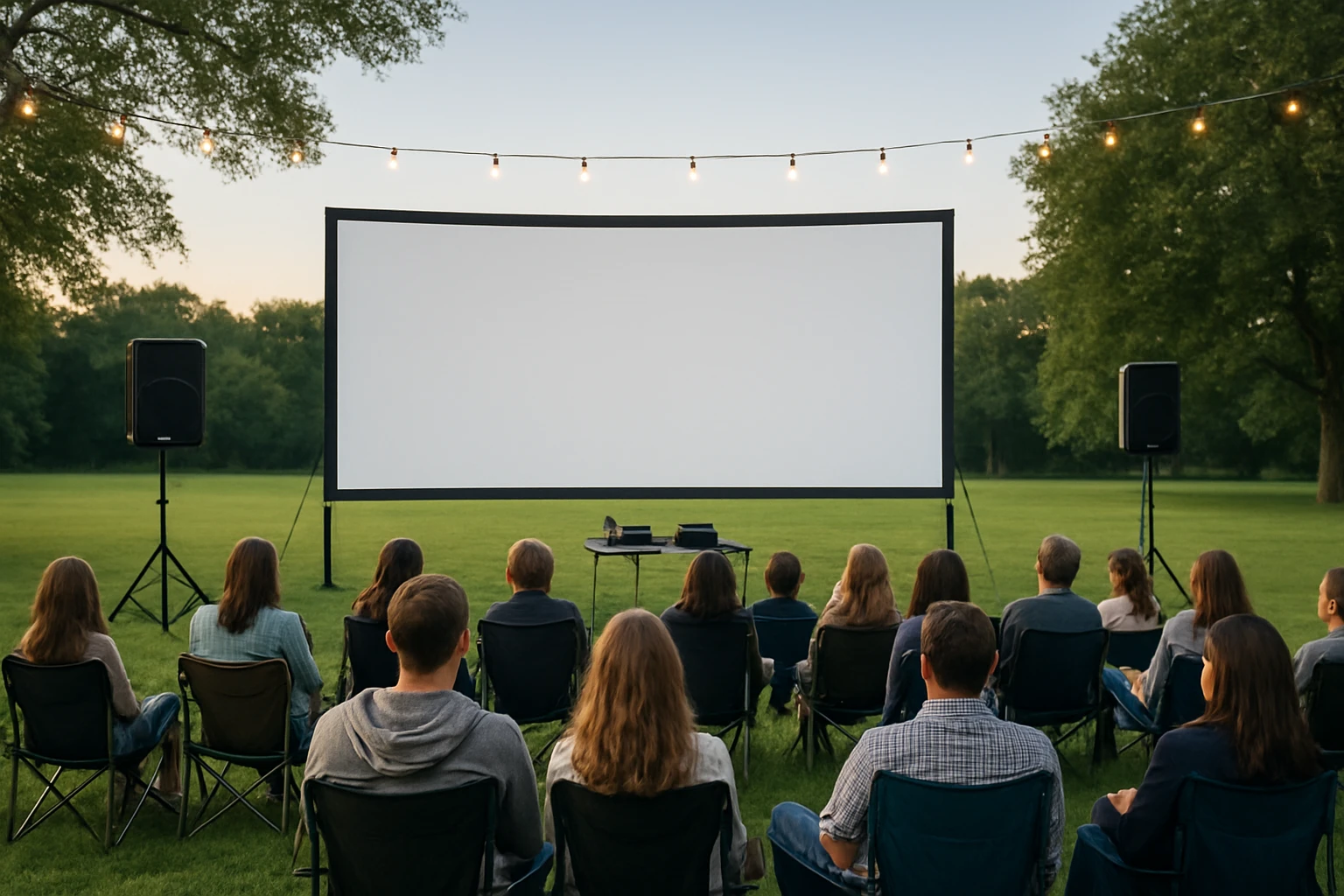
Music Licensing for Outdoor Movie Nights: A Complete Guide to Legal Use & Public Performance
Introduction
Outdoor movie nights have become a beloved community activity, offering a shared experience under the stars. However, the music that accompanies trailers, intermissions, and end credits is subject to strict copyright rules. This guide explains the legal framework governing music use in public settings, outlines practical steps for obtaining the necessary licenses, and recommends authoritative resources to help musicians and event organizers succeed. By the end of the article, readers will know how to curate a playlist that respects creators, avoids costly infringement, and enhances the audience experience.
Background and Context
Music licensing in the United States is divided primarily into two categories: synchronization (sync) licenses and public performance licenses. A sync license grants permission to pair a musical composition with visual content, such as a film or trailer, while a public performance license covers the right to play that music in a venue where the audience gathers. For outdoor movie nights, both licenses are often required because the music is synchronized with the film and is performed publicly.
The two main rights‑holding organizations are the Harry Fox Agency (HFA) and the American Society of Composers, Authors and Publishers (ASCAP), Broadcast Music, Inc. (BMI), and the Society of European Stage Authors and Composers (SESAC). These entities collect royalties on behalf of songwriters and publishers and issue blanket licenses that simplify compliance for event organizers.
Understanding the distinction between a composition (the underlying musical work) and a sound recording (the specific performance) is essential. A sync license is needed for the composition, whereas a master use license is required for the sound recording. In many cases, the same entity holds both rights, but not always; independent artists may control their own masters while a publishing company controls the composition.
Key Concepts and Strategies
Before selecting music, organizers should answer three critical questions: Who owns the composition? Who owns the master recording? What type of license does the event require? The answers dictate the licensing pathway.
For classic Hollywood films, the studio often controls both rights, and a single sync license may cover the entire soundtrack. For contemporary indie tracks, separate negotiations with the songwriter/publisher and the record label are common. When in doubt, a blanket performance license from ASCAP, BMI, or SESAC will cover the public performance portion, but it does not replace a sync license.
Below are the primary licensing routes:
- Direct Negotiation: Contact the publisher or rights holder directly to secure a sync license tailored to the event’s duration and audience size.
- Music Libraries: Use royalty‑free or licensed‑through‑library services that already include sync and performance rights in their subscription.
- Collective Licensing: Obtain blanket licenses from performance rights organizations (PROs) to cover any music in the ASCAP/BMI/SESAC catalog.
Each route has cost, flexibility, and administrative implications. Independent musicians often appreciate the transparency of direct negotiation, while larger community groups may favor the simplicity of a blanket license.
Recommended Resources
Understanding theory is valuable, but practical tools accelerate compliance. The following books provide step‑by‑step guidance for musicians and organizers alike.
For a beginner‑focused roadmap, consider Sync Your Song. Jay Way’s guide breaks down sync licensing from concept to contract, includes templates, and explains metadata best practices. The book holds a 4.5‑star rating from 46 reviews and is praised for its actionable checklists.
Legal professionals and advanced students may benefit from Music Law in the Digital Age. Allen Bargfrede’s third edition covers copyright, royalty structures, and digital rights management, earning a 4.6‑star rating from 16 reviewers. The price of $20.00 reflects its comprehensive coverage of modern licensing challenges.
To gain insight into the mindset of music supervisors, Thinking In Sync offers a concise primer. Amanda Krieg Thomas explains how supervisors select tracks, what metadata they prioritize, and how to pitch effectively. With a 4.7‑star rating from 178 reviews, it is a practical reference for curators seeking to align their playlists with industry expectations.
For a quick‑reference handbook, Musician's Pocket Guide delivers bite‑size lessons on licensing songs to film, TV, and ads. Priced at $4.99 and rated 4.8 stars by 138 reviewers, it is ideal for organizers who need a fast checklist without extensive legal jargon.
Comparison and Selection Guide
| Product | Focus Area | Price | Rating | Best For |
|---|---|---|---|---|
| Sync Your Song | Step‑by‑step sync licensing process, templates, checklists | $0.00 (free ebook) | 4.5/5 (46 reviews) | Beginners and independent musicians |
| Music Law in the Digital Age | Copyright law, royalty structures, digital rights | $20.00 | 4.6/5 (16 reviews) | Legal students and professionals |
| Thinking In Sync | Music supervisor perspective, pitching tactics | $14.99 | 4.7/5 (178 reviews) | Curators and event planners |
| Musician's Pocket Guide | Quick reference, licensing checklist | $4.99 | 4.8/5 (138 reviews) | Busy organizers needing concise guidance |
When choosing a resource, match the depth of information to your project's complexity. A community park group with a modest budget may start with the Pocket Guide and a blanket PRO license, while a professional festival organizer might invest in the comprehensive legal analysis offered by Music Law in the Digital Age.
Best Practices & Tips for Outdoor Movie Night Licensing
- Secure a Blanket Performance License Early: Contact ASCAP, BMI, and SESAC at least six weeks before the event to obtain the necessary blanket licenses. Provide them with the venue capacity, date, and expected attendance.
- Identify Sync‑Eligible Tracks: Use the guidelines from Sync Your Song to verify that each track’s composition and master are cleared for synchronization. Keep a spreadsheet noting publisher, label, and contact details.
- Negotiate Directly When Possible: For indie artists, reach out via email or social media using the pitch template found in Thinking In Sync. Emphasize the community nature of the event and offer promotional credits.
- Maintain Accurate Metadata: Record song title, writer(s), publisher, ISRC, and duration. Proper metadata ensures royalty societies can track usage, preventing future disputes.
- Document All Agreements: Store signed sync licenses, master use agreements, and performance license receipts in a cloud folder. This documentation is essential if a rights holder later questions usage.
- Consider Royalty‑Free Libraries for Background Music: Services such as Epidemic Sound or Artlist provide pre‑cleared tracks for a subscription fee, eliminating the need for individual sync negotiations.
- Plan for Contingencies: Have backup tracks that are either public domain or covered by your blanket license. Unexpected technical issues should not force you to play unlicensed music.
Implementing these practices not only safeguards against legal risk but also builds goodwill with artists and rights holders, fostering future collaborations.
Frequently Asked Questions
- 1. Do I need a sync license for music played during movie trailers?
- Yes. Trailers are visual content synchronized with music, so a sync license is required regardless of whether the trailer is shown before the main feature.
- 2. Can a blanket performance license cover sync licensing?
- No. A blanket license covers public performance only. Sync licensing must be obtained separately for any music paired with visual media.
- 3. Are public domain songs free to use?
- Works published before 1928 are generally in the public domain in the United States, but you must verify that the specific recording you intend to use is also public domain.
- 4. How much does a typical sync license cost for a community event?
- Costs vary widely; independent artists may grant permission for a nominal fee or even for free, while major label tracks can cost several hundred dollars. Negotiation is key.
- 5. What is the role of a music supervisor?
- A music supervisor selects, clears, and coordinates music for visual projects. Thinking In Sync provides an in‑depth look at their decision‑making process.
- 6. Do I need separate licenses for each song?
- If you rely solely on a blanket performance license, you do not need individual performance licenses. However, each song still requires a sync license if it is paired with video.
- 7. Can I use YouTube’s Audio Library for outdoor events?
- The Audio Library is intended for online video use. Public performance at a live event generally requires additional clearance.
Conclusion
Licensing music for outdoor movie nights involves navigating both sync and public performance rights, understanding the distinction between composition and master recordings, and securing appropriate agreements well in advance. By following the structured approach outlined above, organizers can create vibrant playlists that respect creators, avoid legal pitfalls, and enhance audience enjoyment. The recommended books—Sync Your Song, Music Law in the Digital Age, Thinking In Sync, and Musician's Pocket Guide—provide the knowledge foundation needed to execute these steps confidently.
Remember that thorough documentation, accurate metadata, and proactive communication with rights holders are the pillars of a successful, legally compliant event. With these tools, any community group or festival organizer can transform a simple outdoor screening into a professionally curated cinematic experience.
Products Featured in This Guide
Sync Your Song
Price: $0.00 (free ebook) | Rating: 4.5/5 (46 reviews)
Featured because it provides a beginner‑friendly, step‑by‑step roadmap for securing sync licenses, complete with templates and checklists that are directly applicable to outdoor movie night planning.
Music Law in the Digital Age
Price: $20.00 | Rating: 4.6/5 (16 reviews)
Featured for its comprehensive coverage of copyright, royalty structures, and digital rights, offering the legal depth needed for organizers handling complex licensing scenarios.
Thinking In Sync
Price: $14.99 | Rating: 4.7/5 (178 reviews)
Featured because it reveals the decision‑making process of music supervisors, helping curators craft playlists that align with industry expectations and increase placement chances.
Musician's Pocket Guide
Price: $4.99 | Rating: 4.8/5 (138 reviews)
Featured as a concise, actionable reference that distills licensing steps into a quick‑read format, ideal for event planners who need immediate guidance.