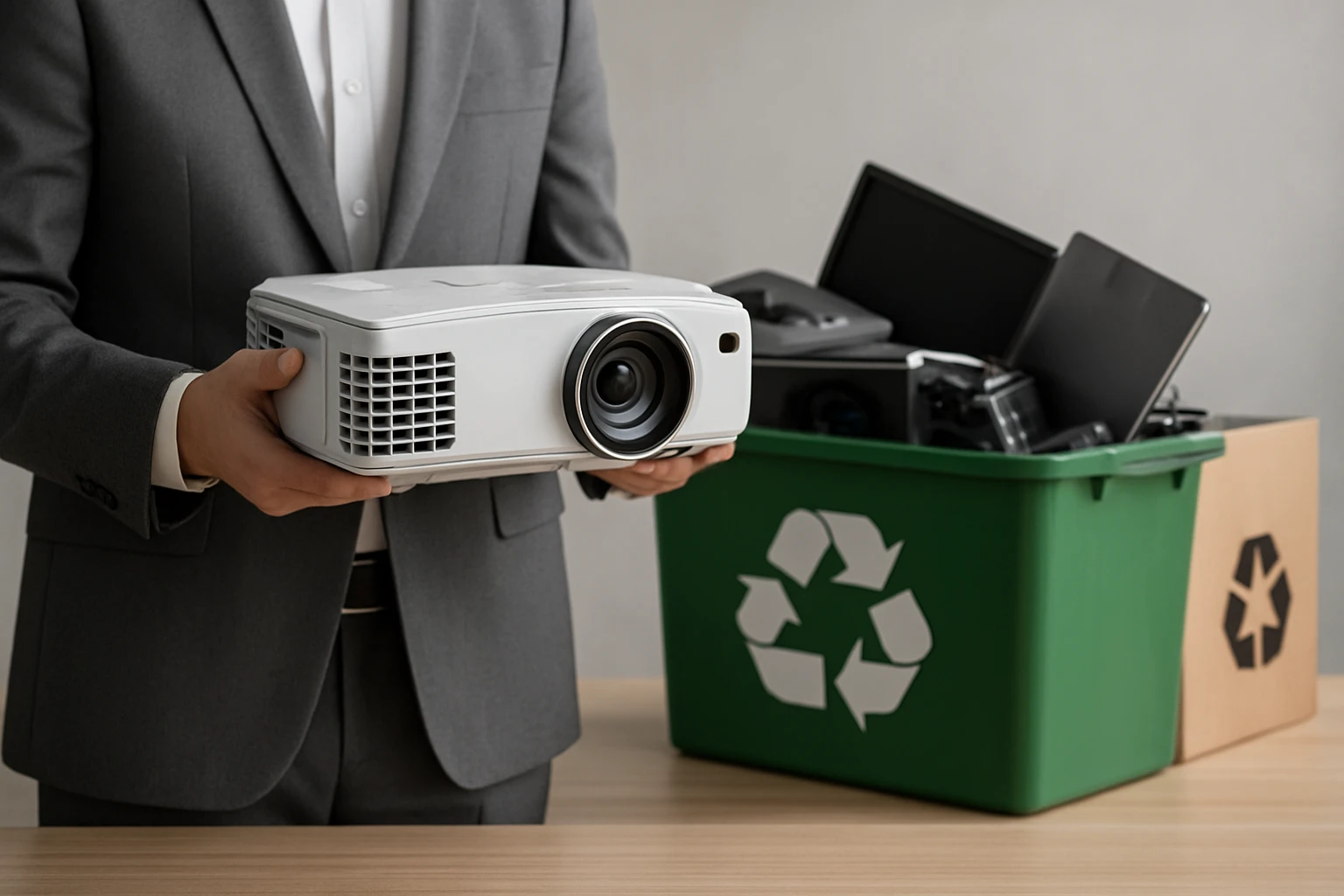
Responsible E-Waste Recycling for Projectors: Complete Guide
Introduction
This guide explains how organizations and individuals can responsibly recycle outdated projector equipment. Readers will learn the environmental impact of improper disposal, methods to protect confidential data, and how to locate certified e‑waste facilities. The article also highlights a market‑level resource, the 2023 Electronics Recycling Report, which provides valuable context for decision making. By following the recommendations, one can reduce ecological harm while complying with legal obligations.
Background and Context
Projectors contain a mixture of metals, plastics, and electronic components that can leach toxins if placed in landfills. Lead, mercury, and brominated flame retardants are common in lamp housings and circuit boards. Many jurisdictions classify discarded projectors as hazardous waste, requiring specialized handling. Understanding the lifecycle of these devices helps stakeholders prioritize recycling over disposal.
Data security is another critical aspect. Projectors often store configuration files, network credentials, and occasionally cached presentation data. If these assets are not properly erased, they may be accessed by unauthorized parties. Implementing a data‑sanitization protocol before recycling mitigates this risk.
The global e‑waste market is expanding rapidly. According to the 2023 Electronics Recycling Report, city‑level segmentation reveals that metropolitan areas generate the highest volumes of electronic scrap. This insight assists organizations in selecting nearby recycling partners to minimize transportation emissions.
Key Concepts and Strategies
1. Assessing Projector Condition
Before deciding on a disposal route, evaluate whether the projector can be refurbished, donated, or must be recycled. Functional units with minor wear are candidates for donation to schools or non‑profits. Non‑functional units should be earmarked for recycling to recover valuable materials.
2. Data Sanitization Procedures
Data removal should follow a documented process. Steps include:
- Power off the device and disconnect all external storage.
- Access the internal memory via the service menu or USB interface.
- Use manufacturer‑approved wiping software to overwrite stored data at least three times.
- Verify erasure by attempting to access the memory after the process.
If the internal memory is non‑removable, physically destroy the storage module before recycling.
3. Selecting Certified Recyclers
Certified recyclers adhere to standards such as R2 (Responsible Recycling) or e‑Stewards. These certifications ensure that hazardous substances are handled safely and that recovered materials are reintegrated into the supply chain. One should request a certificate of compliance before transferring equipment.
4. Leveraging Market Data
The 2023 Electronics Recycling Report provides city‑level demand forecasts for recycled metals and plastics. By consulting this report, organizations can negotiate better terms with recyclers who are seeking specific material streams.
Comparison and Selection Guide
When choosing a recycling partner, consider the following criteria:
| Criterion | Why It Matters | Typical Evaluation Method |
|---|---|---|
| Certification | Ensures compliance with environmental and safety standards. | Verify R2 or e‑Stewards certification on the recycler’s website. |
| Geographic Proximity | Reduces transportation emissions and costs. | Map the recycler’s facility relative to the organization’s location. |
| Material Recovery Rate | Higher recovery rates translate to greater environmental benefit. | Request performance metrics from the recycler. |
| Data‑Security Capability | Guarantees proper handling of confidential information. | Confirm that the recycler offers certified data destruction services. |
| Cost Structure | Influences budgeting decisions. | Obtain a detailed quote that separates handling, transport, and processing fees. |
For organizations seeking a data‑focused solution, a recycler that provides on‑site shredding of storage modules may be preferable. For those prioritizing cost, selecting a regional facility with high material recovery rates can lower expenses.
Best Practices & Tips
- Maintain an inventory log of all projector assets, including serial numbers and purchase dates.
- Schedule regular audits to identify equipment that has reached end‑of‑life.
- Develop a written policy that outlines the sanitization and recycling workflow.
- Engage employees through training sessions that emphasize the environmental and security implications of improper disposal.
- Leverage the insights from the 2023 Electronics Recycling Report to align recycling schedules with market demand spikes.
Frequently Asked Questions
- What should I do with the projector lamp? Lamps often contain mercury; they must be removed and sent to a hazardous‑waste collection point separate from the main unit.
- Can I recycle a projector that still works? Yes, donating functional projectors extends their useful life and reduces overall e‑waste generation.
- How can I verify that a recycler is truly certified? Request a copy of the current R2 or e‑Stewards certificate and cross‑check the serial number on the certifying body’s online registry.
- Is data wiping enough for security? Data wiping is sufficient for most scenarios, but if the storage chip is soldered onto the board, physical destruction provides an extra layer of assurance.
- What role does the 2023 Electronics Recycling Report play in my recycling plan? The report offers market‑level data that helps you anticipate material pricing, select high‑demand recyclers, and justify recycling budgets to stakeholders.
- Do I need a special permit to transport e‑waste? Regulations vary by jurisdiction; many regions require a manifest or permit for hazardous electronic components.
- How often should I update my recycling policy? Review the policy annually or whenever significant regulatory changes occur.
Conclusion
Responsible e‑waste recycling for old projectors involves assessing device condition, sanitizing data, and partnering with certified recyclers. By integrating market intelligence from the 2023 Electronics Recycling Report, organizations can make informed decisions that maximize material recovery and minimize environmental impact. Implementing the best‑practice checklist ensures compliance, protects confidential information, and demonstrates corporate stewardship.
Products Featured in This Guide
2023 Electronics Recycling Report
Price: $995.00
Rating: 5/5.0 (0 reviews)
Why it is featured: This report provides comprehensive market segmentation data that assists readers in selecting recyclers based on city‑level demand, thereby enhancing the strategic component of e‑waste management.