
How to Block Sightlines for Backyard Movie Screenings: 10 Easy DIY Privacy Ideas
Creating a private outdoor cinema allows one to enjoy films without unwanted observers. This guide explains ten straightforward methods that transform a garden or patio into a secluded screening area. Readers will learn how to select locations, build barriers, and enhance comfort while maintaining aesthetic appeal. The instructions incorporate two recommended Amazon products that simplify installation and improve performance.
What You'll Need
- Measuring tape, scissors, and a utility knife
- Heavy‑duty rope or zip ties
- Outdoor stakes or brackets
- Weather‑resistant fabric or shade cloth
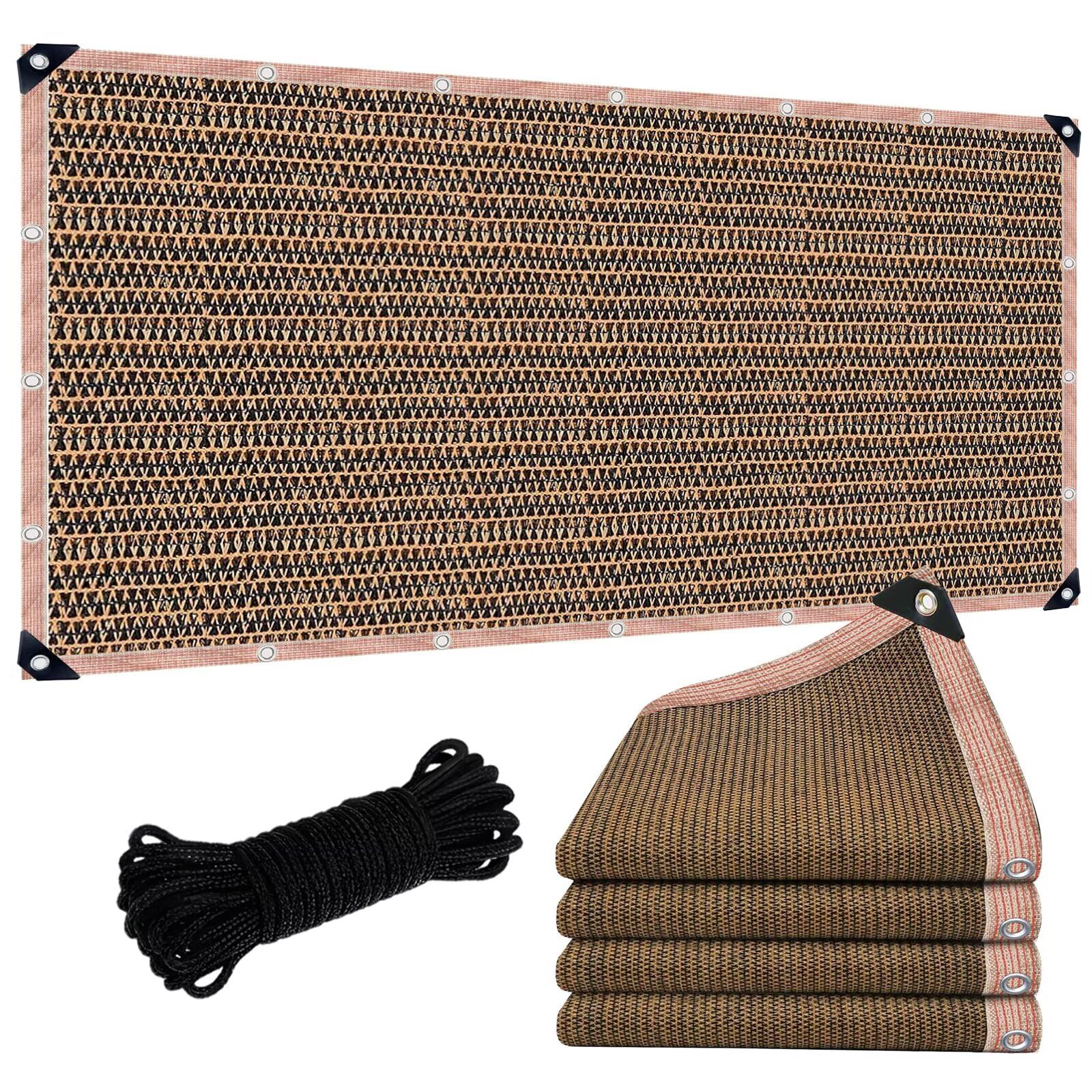
- Optional: JKNVDVLC Sun Shade Cloth for privacy panels
- Optional: XHYCPY Inflatable Movie Screen for a high‑quality projection surface
Step 1: Choose the Ideal Spot
Select a flat area that receives minimal ambient light after sunset. Measure a rectangle that accommodates the screen dimensions plus a buffer for seating. Ensure the location is away from busy walkways to reduce accidental foot traffic. Mark the corners with stakes to visualize the future layout.
Step 2: Define the Viewing Zone
Lay out a rope perimeter that outlines the audience space. This visual guide helps position privacy elements evenly around the screen. The rope also serves as a reference when installing stakes for shade cloth or panels. Keep the viewing angle between 30° and 60° for optimal comfort.
Step 3: Install a Simple Frame for Panels
Drive metal or PVC pipes into the ground at each corner of the defined zone. Connect the pipes with crossbars to create a rectangular frame. The frame should be sturdy enough to hold tensioned fabric without sagging. Using zip ties or outdoor clamps speeds up assembly and allows future disassembly.
Step 4: Hang Privacy Panels Using Sun Shade Cloth
Unfold the JKNVDVLC Sun Shade Cloth and align it with the frame. The cloth measures 3.3 × 6.6 ft, providing ample coverage for a typical backyard screen width. Its 90 % UV block rate reduces glare while the mesh permits airflow, preventing heat buildup. Double grommets spaced every 20 inches enable secure attachment to the frame using rope or zip ties, ensuring the panel remains taut.
Price: $11.38, Rating: 4.4/5 (62 reviews). The lightweight HDPE material is wear‑resistant and fade‑proof, guaranteeing long‑term durability even in harsh sunlight.
Step 5: Create Additional Barriers with Fabric or Plants
For larger spaces, supplement the shade cloth with garden trellises covered in climbing vines. Fast‑growing plants such as morning glories or sweet peas add natural privacy and aesthetic value. If planting is not feasible, attach additional fabric strips to the frame, overlapping them to eliminate gaps. Ensure any added material is weather‑treated to avoid rapid deterioration.
Step 6: Position the Inflatable Movie Screen
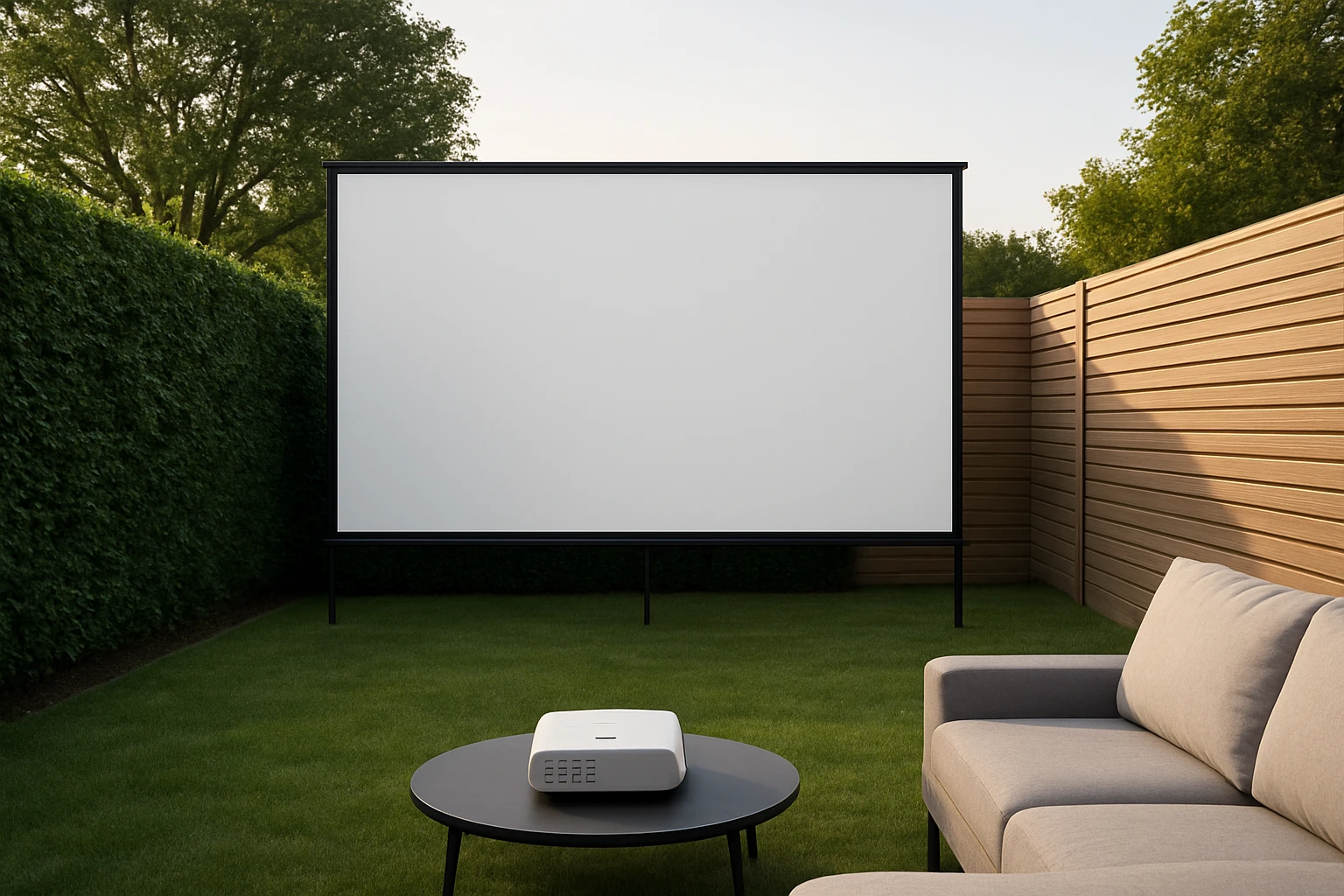
Place the XHYCPY Inflatable Movie Screen at the center of the viewing zone. The 16 ft diagonal screen offers a 16:9 aspect ratio suitable for most movies. Connect the included 110 V, 180 W blower and allow two minutes for full inflation. Keep the blower plugged in for the duration of the screening; the noise diminishes once the film begins.
Price: $98.99, Rating: 4.6/5 (2,085 reviews). The thickened polyester material supports both front and rear projection, giving flexibility for speaker placement and audience arrangement.
Step 7: Secure the Screen with Tethers and Stakes
Attach the supplied tethers to the screen’s reinforced corners and drive stakes into the ground at a 45° angle. This prevents wind from shifting the screen during playback. For added stability, wrap a rope around the frame and tie it to a nearby sturdy object such as a fence post. Regularly check tension before each use.
Step 8: Control Ambient Light with Additional Shade
Position extra shade cloth strips around the perimeter to block stray headlights or street lamps. Overlap the edges by at least six inches to avoid light leaks. If the screening occurs after dark, consider using battery‑operated LED lanterns with dimmers to provide low‑level illumination for safety without compromising darkness.
Step 9: Enhance Acoustic Privacy
Place outdoor rugs or foam panels behind the audience area to absorb sound reflections. This reduces the distance that audio travels beyond the backyard, limiting disturbance to neighbors. Combine acoustic treatment with the screen’s rear‑projection capability to keep speakers directed toward the viewers.
Step 10: Test and Adjust
Run a short video clip to evaluate sightlines, lighting, and sound. Walk around the perimeter to identify any visible gaps in the privacy barriers. Adjust the tension of the shade cloth, reposition tethers, or add supplemental fabric as needed. Once satisfied, record the configuration for quick reassembly at future events.
Tips & Pro Tips
- Apply a weather‑proof sealant to the grommet holes of the shade cloth to prevent water ingress.
- Store the inflatable screen in its 210D oxford carry bag to protect it from dust and punctures.
- Use solar‑powered LED string lights to illuminate pathways without adding glare to the screen.
- Schedule screenings on low‑wind evenings to minimize blower noise and screen movement.
Troubleshooting
| Problem | Solution |
|---|---|
| Screen deflates quickly | Check for punctures, ensure the blower remains plugged in, and verify that all tethers are tight. |
| Light leaks through shade cloth | Overlap panels, add additional strips, or use a darker fabric with higher opacity. |
| Audio is too loud for neighbors | Lower speaker volume, add acoustic blankets, or reposition speakers toward the audience. |
Conclusion
By following these ten DIY steps, one can create a private, comfortable backyard cinema that blocks unwanted sightlines. The combination of affordable shade cloth and a versatile inflatable screen delivers professional results without extensive construction. Readers are encouraged to experiment with additional natural elements such as vines or lanterns to personalize their outdoor theater. With proper planning and the right tools, every movie night can become a secluded cinematic experience.
Products Mentioned in This Guide
Frequently Asked Questions
What are the best DIY methods to block sightlines for a backyard movie screening?
Use weather‑resistant fabric, shade cloth panels, tall plants, and portable fences secured with rope or zip ties to create a visual barrier around the screen.
How can I choose the ideal spot for an outdoor cinema?
Pick a flat, level area with minimal ambient light after sunset and position the screen away from streetlights or bright windows.
Do I need special equipment like an inflatable screen for privacy?
An inflatable screen provides a high‑quality projection surface, while privacy is achieved with separate shade‑cloth panels or fencing.
What materials are recommended for durable outdoor privacy panels?
Heavy‑duty rope or zip ties, outdoor stakes, and UV‑protected shade cloth such as the JKNVDVLC Sun Shade Cloth work well in all weather.
Can I set up the privacy barriers without permanent installation?
Yes, using portable stakes, brackets, and zip ties lets you assemble and dismantle the barriers as needed without damaging the yard.