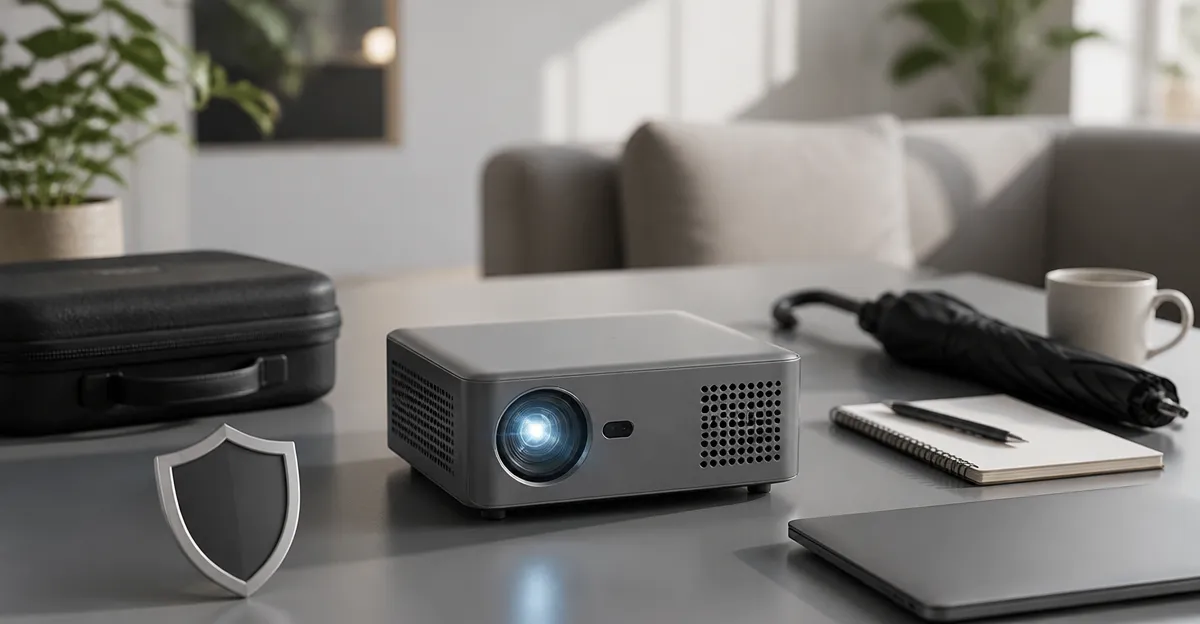
Mini Projector Insurance: The Ultimate Guide to Coverage, Costs, and Claims for Portable Projectors
Introduction
The rise of portable projection technology has transformed home entertainment, business presentations, and outdoor gatherings. As consumers invest in compact devices such as the YGSKK Mini Projector, the risk of accidental damage, theft, or malfunction becomes a genuine concern. This guide explains the scope of mini projector insurance, outlines typical coverage options, examines cost factors, and provides actionable advice for filing claims. Readers will leave with a clear understanding of how to safeguard their investment while maximizing value.
Background and Context
Mini projectors are lightweight, battery‑powered devices that often incorporate Wi‑Fi, Bluetooth, and built‑in streaming apps. Because they are frequently moved between indoor and outdoor settings, they are exposed to hazards such as drops, water exposure, and loss. Traditional homeowner or renter policies may offer limited personal property coverage, but dedicated portable electronics insurance can fill gaps. Understanding the distinction between standard liability, accidental damage, and extended warranty plans is essential before selecting a policy.
Key Concepts in Mini Projector Insurance
Three primary concepts define the insurance landscape for portable projectors:
- Accidental Damage Coverage – Protects against drops, screen cracks, lens misalignment, and internal component failure caused by mishandling.
- Theft and Loss Protection – Reimburses the replacement cost if the projector is stolen or misplaced, provided proper documentation is submitted.
- Extended Warranty or Service Plans – Offers repair or replacement for mechanical failures beyond the manufacturer’s limited warranty period.
When evaluating policies, consider the deductible amount, claim limits, and any exclusions related to water damage or unauthorized modifications.
Product Recommendations and How They Relate to Insurance
Choosing a projector with robust built‑in features can reduce the likelihood of claims. The following products exemplify different price points and durability attributes:
- YGSKK Mini Projector – Offers Wi‑Fi 6, Bluetooth 5.3, 1080p native resolution, and electric focusing. At $75.99 it carries a 4.4‑star rating from 3,542 reviews, indicating reliable performance for home entertainment.
- AKIYO 2026 Mini Projector – Features P2P direct connection, 5G Wi‑Fi, 200 ANSI lumens, and a 360° rotating stand for versatile placement. Priced at $41.92 with a 4.2‑star rating from 5,507 reviews, it is an economical option for travelers.
- HAPPRUN Native 1080P Projector – Delivers native 1080p, Bluetooth 5.1, and up to 200‑inch screen size. At $84.93 and a 4.3‑star rating from 13,698 reviews, it balances performance and portability.
- Aurzen Roku TV Projector – Integrates Roku TV, auto‑focus, and dual 5W speakers. With a price of $139.99 and a 4.6‑star rating from 1,034 reviews, it is ideal for users who desire an all‑in‑one streaming solution.
- Kodak Ultra Mini Projector – Compact DLP design, 35 ANSI lumens, and a 1 W speaker. Although priced higher at $199.99, its 4.1‑star rating from 2,923 reviews reflects a niche appeal for ultra‑portable use.
Each device includes specific features that influence insurance considerations. For example, the electric focus of the YGSKK model reduces the chance of lens damage, while the AKIYO’s rugged rotating stand mitigates accidental drops.
Cost Factors and Pricing Models
Insurance premiums for mini projectors typically range from 5 % to 15 % of the device’s purchase price per year. Factors that affect cost include:
- Device Value – Higher‑priced models such as the Aurzen Roku TV Projector command higher premiums.
- Coverage Level – Policies that include theft protection and worldwide coverage are more expensive than accidental‑damage‑only plans.
- Deductible Choice – Selecting a larger deductible reduces the monthly premium but increases out‑of‑pocket expense when a claim is filed.
- Usage Environment – Frequent outdoor use may raise the risk assessment, leading to higher rates.
For illustration, a policy covering the YGSKK Mini Projector with a $25 deductible might cost $6 per year, whereas a comprehensive plan for the Aurzen Roku TV Projector could be $18 per year.
How to File a Claim Effectively
When a loss occurs, following a structured process improves the likelihood of a swift settlement:
- Document the incident with photos, timestamps, and a written description.
- Gather the original purchase receipt, warranty information, and any serial numbers.
- Contact the insurer within the policy’s reporting window, usually 30 days.
- Submit a claim form along with the supporting documentation.
- Maintain communication with the adjuster and be prepared to provide additional evidence if requested.
Most insurers will either reimburse the replacement cost or arrange for a repair authorized by the manufacturer. Retaining the original packaging can simplify the shipping of a replacement unit.
Comparison and Selection Guide
Choosing the right insurance plan requires matching coverage features to personal usage patterns. The table below compares three typical policy types:
| Policy Type | Coverage Included | Typical Annual Cost | Best For |
|---|---|---|---|
| Accidental Damage Only | Drop, screen crack, internal component failure | 5‑8 % of device price | Users who keep the projector indoors and handle it carefully |
| Theft & Loss | All accidental damage plus replacement for stolen or lost units | 10‑12 % of device price | Travelers and outdoor enthusiasts |
| Comprehensive (Damage, Theft, Extended Warranty) | Full protection plus repair service beyond manufacturer warranty | 12‑15 % of device price | Professionals who rely on the projector for business presentations |
When selecting a plan, evaluate the deductible against the projected premium. For a $75.99 projector, a $10 deductible may be more economical than a $25 deductible if the likelihood of a claim is low.
Best Practices & Tips
- Register the projector with the manufacturer immediately to simplify warranty verification.
- Store the device in a padded case when transporting; many cases also meet insurer requirements for “proper storage”.
- Enable built‑in security features such as password protection on Wi‑Fi and Bluetooth connections to deter theft.
- Regularly clean the lens and ventilation ports; overheating can void accidental‑damage coverage.
- Maintain a digital copy of the purchase receipt and serial number in a cloud‑based folder for quick retrieval during a claim.
Applying these practices reduces risk and demonstrates responsible ownership, which may lower future premium adjustments.
Frequently Asked Questions
- 1. Does my homeowner’s insurance cover a mini projector?
- Standard policies may cover personal property up to a limited amount, but they often exclude electronic devices that are used for business purposes. A dedicated portable‑electronics policy provides more comprehensive protection.
- 2. How long does a claim typically take to process?
- Processing times vary, but most insurers aim to resolve straightforward accidental‑damage claims within 10‑14 business days after receipt of complete documentation.
- 3. Can I insure a projector that is already out of warranty?
- Yes, many insurers offer coverage for devices beyond the manufacturer’s warranty period, although the premium may be slightly higher.
- 4. Are there any exclusions I should watch for?
- Common exclusions include damage caused by water immersion, use of non‑approved accessories, and intentional misuse. Review the policy wording carefully.
- 5. Is it worth insuring a low‑cost projector?
- For devices priced under $50, the premium may exceed the replacement cost. In such cases, a simple extended warranty or a low‑deductible accidental‑damage plan may be more cost‑effective.
Conclusion
Mini projectors such as the YGSKK Mini Projector, AKIYO 2026 Mini Projector, and Aurzen Roku TV Projector bring cinema‑quality experiences to any environment, yet their portability introduces unique risk factors. By understanding insurance terminology, evaluating cost structures, and following best‑practice guidelines, consumers can protect their investment without excessive expense. Whether opting for a basic accidental‑damage plan or a comprehensive coverage package, the key is to align policy features with usage patterns and budget constraints.
Products Featured in This Guide
YGSKK Mini Projector
Price: $75.99 | Rating: 4.4/5 (3,542 reviews)
Featured for its native 1080p resolution, electric focusing, and robust Wi‑Fi 6/Bluetooth 5.3 connectivity, making it a solid mid‑range choice for home entertainment.
AKIYO 2026 Mini Projector
Price: $41.92 | Rating: 4.2/5 (5,507 reviews)
Featured for its ultra‑compact size, P2P direct connection, and 360° rotating stand, offering excellent value for travelers and casual users.
HAPPRUN Native 1080P Projector
Price: $84.93 | Rating: 4.3/5 (13,698 reviews)
Featured for its native 1080p display, Bluetooth 5.1 audio, and versatile installation options, suitable for both indoor and outdoor setups.
Aurzen Roku TV Projector
Price: $139.99 | Rating: 4.6/5 (1,034 reviews)
Featured for its integrated Roku TV platform, auto‑focus, and dual 5W speakers, delivering a complete streaming solution without additional hardware.
Kodak Ultra Mini Projector
Price: $199.99 | Rating: 4.1/5 (2,923 reviews)
Featured for its pocket‑size DLP engine and 16.7‑million‑color display, appealing to users who prioritize extreme portability over high brightness.