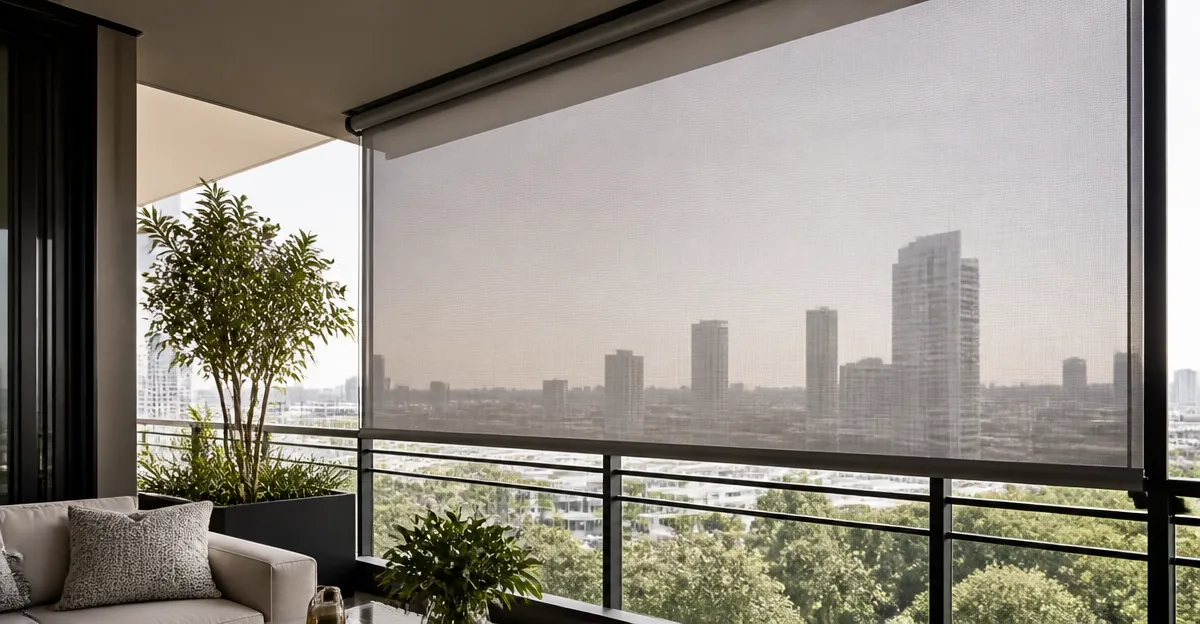
How to Choose and Install Projection Fabrics for Balcony Curtains: A Step‑by‑Step Guide to Privacy, UV Protection & Light Control
Introduction
Balcony owners frequently seek a balance between openness and privacy, while also protecting themselves from harsh sunlight and unpredictable weather. This guide will teach the reader how to evaluate needs, select appropriate projection fabrics, and install them safely and efficiently. By following the instructions, one will achieve a comfortable outdoor retreat that reduces glare, blocks ultraviolet rays, and maintains visual privacy. The information presented is practical, evidence based, and includes product recommendations that serve as reliable tools for each stage of the project.
What You Will Need
- Measuring tape, pencil, and level
- Scissors or rotary cutter
- Heavy‑duty curtain rod or tension wire
- Stainless‑steel grommets or hooks (often supplied with the curtain panels)
- Optional: Fence Privacy Screen for supplemental shade
- Protective gloves and safety glasses
Step 1: Assess Your Balcony Space and Requirements
Begin by measuring the width and length of the balcony area where the curtains will hang. Record the dimensions in inches, noting any architectural features such as railings, columns, or overhangs that may affect placement. Determine the primary goals: is privacy the most important factor, or is UV protection and light diffusion more critical? Understanding these priorities will guide the selection of projection fabrics that best satisfy the identified needs.
Consider the typical climate in your region. If the balcony is exposed to strong winds, rain, or snow, a weather‑resistant fabric with reinforced bottom tabs will provide greater durability. For locations with intense summer sun, a fabric with high UV blockage and thermal insulation will reduce heat gain inside the living space. Finally, assess the aesthetic preferences; color and texture should complement the existing décor while maintaining functionality.
Step 2: Select the Appropriate Projection Fabric
Based on the assessment, choose a fabric that aligns with the identified priorities. Two highly rated options are available:
- Easy‑Going Outdoor Patio Curtains – These curtains feature a detachable tab top and bottom, allowing easy repositioning and wind resistance. The 100% polyester fabric is waterproof, blocks sunlight and UV rays, and provides noise reduction. Priced at $21.99, the product holds a 4.5‑star rating from 629 reviews, indicating strong customer satisfaction. Easy‑Going Outdoor Patio Curtains are ideal for balconies that require weatherproof protection and flexible installation.
- RYB HOME Outdoor Curtains – This premium panel offers blackout capability, triple‑wave construction, and thermal insulation that blocks 85‑95% of sunlight. The waterproof fabric repels rain and dries quickly, while stainless‑steel grommets ensure secure attachment to standard rods. Although priced at $129.99, the product’s 4.5‑star rating reflects its performance in demanding environments. RYB HOME Outdoor Curtains are suited for balconies where complete light control and superior insulation are desired.
If additional shade is required without sacrificing airflow, the Fence Privacy Screen can be layered behind the primary curtains. This mesh fabric blocks approximately 80% of sunlight while allowing breezes, creating a comfortable micro‑climate on the balcony.
Step 3: Measure, Cut, and Prepare the Fabric Panels
Accurate measurement is essential to avoid excess fabric or gaps that compromise privacy. Measure the width of the mounting area and add an extra 2–3 inches for overlap and seam allowance. For height, measure from the mounting point to the desired bottom edge, typically 2–4 inches above the balcony floor to prevent water pooling.
Using sharp scissors or a rotary cutter, trim the panels to the calculated dimensions. If the chosen curtains arrive pre‑sized, verify that the length matches the balcony height; minor adjustments can be made by hemming the bottom edge. For the Fence Privacy Screen, cut the mesh to the same width and allow for the placement of aluminum grommets every 20 inches, as described in the product details.
After cutting, reinforce the edges with a double‑stitched seam or a fabric tape to prevent fraying, especially for polyester fabrics that may unravel under wind stress. This step enhances longevity and maintains a professional appearance.
Step 4: Install Hanging Hardware and Prepare Grommets
Choose a sturdy curtain rod or tension wire that can support the weight of the selected fabric. For the Easy‑Going curtains, the detachable tab top allows the use of simple hooks or S‑shaped brackets; ensure the brackets are spaced evenly to distribute load. The RYB HOME curtains come with stainless‑steel grommets of 1.6" inner diameter, which fit most standard rods without additional adapters.
Secure the rod to the balcony railing or ceiling joists using appropriate anchors. A level should be used to guarantee horizontal alignment, preventing uneven draping. If installing the Fence Privacy Screen, align the pre‑installed aluminum grommets with the rod and fasten using the supplied plastic ties or additional cable ties for extra stability.
Before hanging the curtains, test the rod’s load capacity by gently pulling on the hardware. This precaution prevents accidental failure during windy conditions and ensures the installation will remain safe over time.
Step 5: Hang the Curtains and Adjust for Optimal Performance
Begin by sliding the curtain panels onto the rod, ensuring that the tab top (for Easy‑Going) or grommets (for RYB HOME) engage securely. For the tab‑bottom design, attach the bottom tabs to the balcony rail or a secondary support bar to prevent wind uplift. Adjust the panels so that they overlap by at least 2 inches, creating a continuous barrier that eliminates light leaks.
If using a secondary shade cloth, drape it behind the primary curtains and secure its bottom edge with the supplied ties. This layered approach enhances UV blockage while preserving airflow. Verify that the curtains open and close smoothly; any resistance may indicate misaligned grommets or insufficient spacing on the rod.
Finally, step back and assess the visual effect. The curtains should provide the desired level of privacy, reduce glare, and complement the balcony’s aesthetic. Minor tweaks, such as raising or lowering the bottom edge, can be made to fine‑tune the balance between light control and ventilation.
Step 6: Maintain Your Balcony Curtains for Longevity
Regular maintenance extends the life of projection fabrics and preserves their performance. The Easy‑Going curtains are machine washable in cold water; however, avoid bleach, high heat drying, and ironing at high temperatures. The RYB HOME curtains also tolerate gentle machine cycles, with the recommendation to warm‑iron at low settings if necessary.
Inspect the grommets and hardware quarterly, tightening any loose screws and replacing worn ties. For the Fence Privacy Screen, rinse with a hose to remove dust and debris, allowing it to air dry before re‑installation. Prompt cleaning after heavy rain or snow prevents mold growth and material degradation.
Store excess fabric in a dry, cool location during off‑season periods. Folding the panels loosely and placing them in a breathable bag will protect them from moisture and pests.
Tips & Pro Tips
- When privacy is paramount, overlap the curtain panels by at least 4 inches to eliminate gaps.
- For balconies with strong wind, consider adding weight to the bottom hem using sewn‑in metal chains or weighted tape.
- Combine a light‑filtering curtain (Easy‑Going) with a blackout panel (RYB HOME) for adjustable light control throughout the day.
- Use a UV‑resistant sealant on the rod brackets if the metal shows signs of corrosion after prolonged exposure.
- Test the installed system during different weather conditions to ensure that the curtains remain secure and functional.
Troubleshooting
Problem: Curtains flutter excessively on windy days.
Solution: Ensure the bottom tabs are firmly attached to the rail, and add weighted stitching to the hem. If the problem persists, install the Fence Privacy Screen behind the curtains to act as a windbreak.
Problem: Light leaks around the edges.
Solution: Increase the overlap between panels and verify that the rod is level. Adjust the side tabs or add side tie‑backs to seal the edges.
Problem: Fabric stains after rain.
strong>Solution: Wash the curtains promptly according to the manufacturer’s instructions and allow them to dry completely before re‑hanging.
Conclusion
This guide has outlined a systematic approach to selecting and installing projection fabrics for balcony curtains, emphasizing privacy, UV protection, and light control. By assessing the space, choosing suitable products such as Easy‑Going Outdoor Patio Curtains or RYB HOME Outdoor Curtains, and following the step‑by‑step installation process, one can create a functional and attractive balcony environment. Proper maintenance and occasional adjustments will ensure the system remains effective for years to come. Readers are encouraged to apply these techniques and enjoy a comfortable, protected outdoor space.
Products Mentioned in This Guide
Frequently Asked Questions
What factors should I consider when selecting projection fabric for balcony curtains?
Look at UV protection rating, light‑blocking ability, privacy level, durability against weather, and aesthetic match to your balcony.
How do I accurately measure my balcony for projection fabric panels?
Measure the width and height of the space, subtract a few centimeters for overlap, and use a level to ensure straight cuts.
Can I install projection fabrics using a tension wire instead of a traditional curtain rod?
Yes, a heavy‑duty tension wire works well for a sleek look, provided it’s anchored securely and the fabric has reinforced grommets or hooks.
What is the best way to maintain projection fabrics to retain UV protection?
Regularly brush off dust, spot‑clean with mild soap, and avoid harsh chemicals that can degrade the fabric’s UV coating.
Do projection fabrics provide enough privacy at night when interior lights are on?
High‑opacity or blackout‑type projection fabrics block most interior light, ensuring privacy even when lights are on inside.