How to Make Quick DIY Temporary Acoustic Panels for Balcony Movie Night: Easy, Budget‑Friendly Soundproofing
Introduction
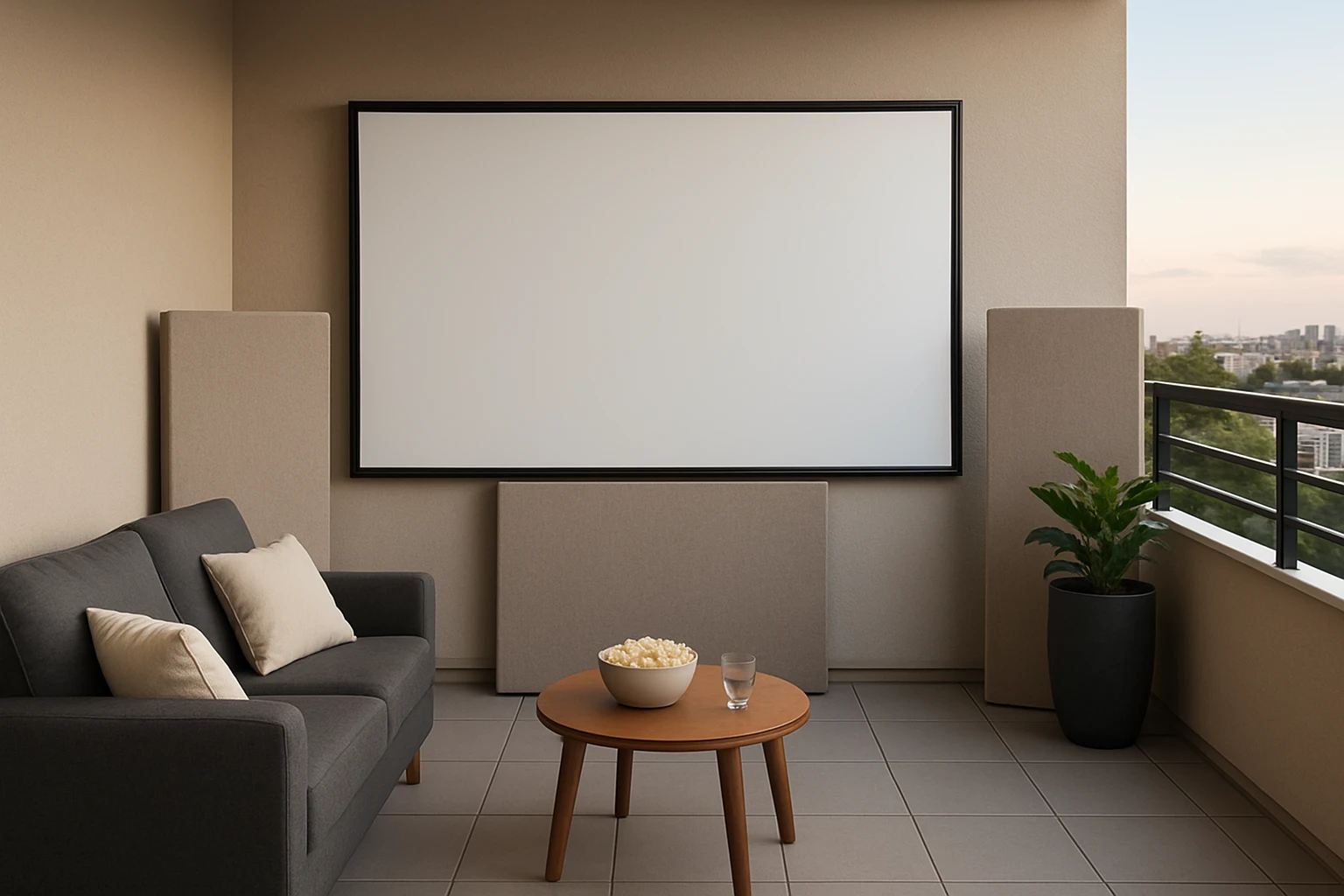
One often discovers that an outdoor balcony, while ideal for fresh air, can become a noisy environment during a movie night. Echoes from surrounding streets and neighboring apartments may disrupt the viewing experience. This guide teaches the reader how to create temporary acoustic panels that reduce unwanted sound reflections, improve audio clarity, and preserve the open‑air atmosphere. By the end of the article, one will be able to assemble a cost‑effective solution using readily available materials, including a recommended acoustic‑foam product.
What You’ll Need
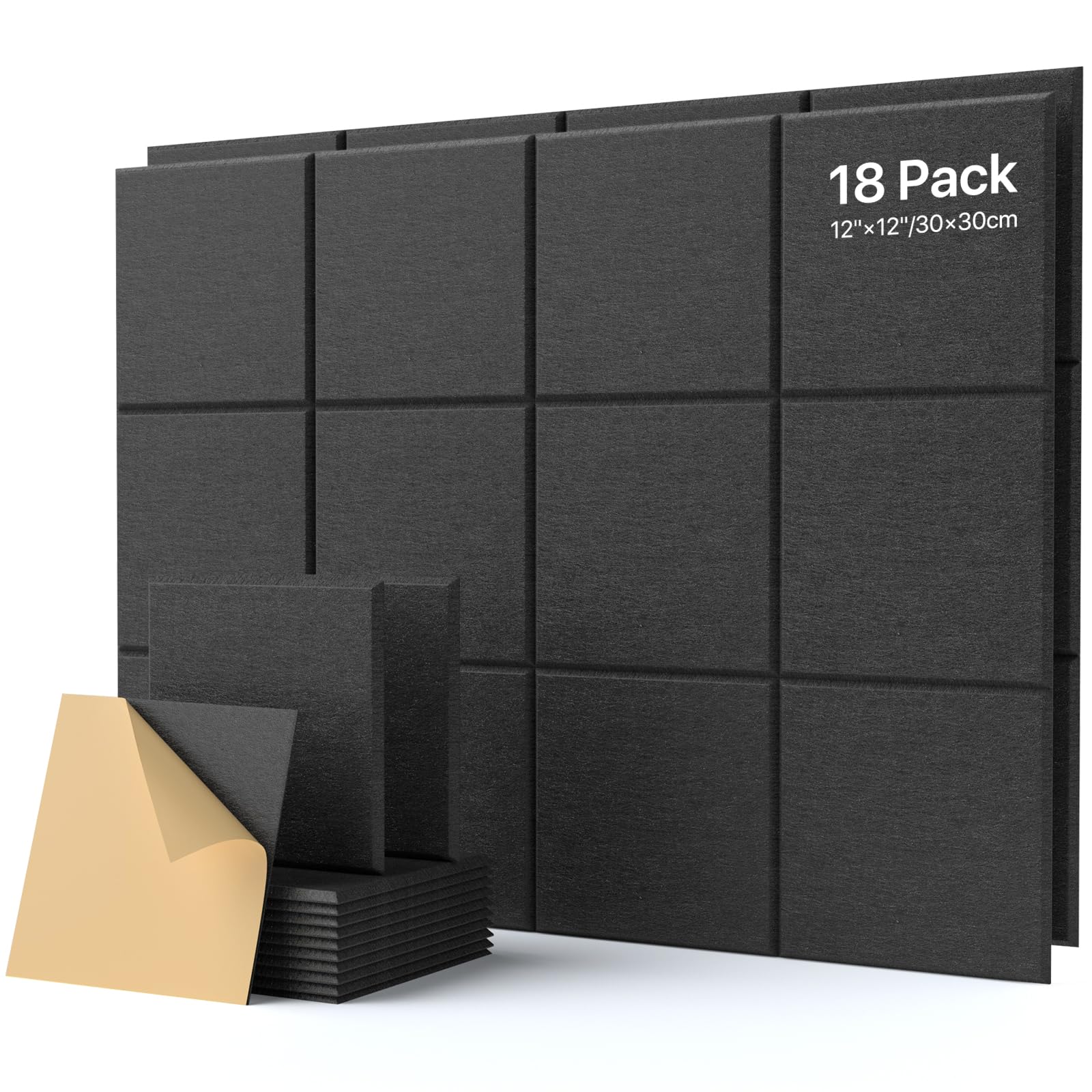
- Soundsbay Soundproof Wall Panels (12" x 12") – Soundsbay Soundproof Wall Panels
- Measuring tape
- Utility knife or scissors
- Cleaning cloth and mild detergent
- Hair dryer (optional, for removal)
- Command strips or removable mounting tape (optional for non‑adhesive mounting)
- Lightweight wooden frame or PVC pipe (optional for added rigidity)
Step 1: Assess the Balcony Space and Determine Panel Placement
Before purchasing any material, one should measure the walls or railings where the panels will be applied. Use a measuring tape to record the width and height of each surface. For a typical balcony, covering 60‑80% of the wall area yields noticeable reduction in echo without completely sealing the space. Sketch a simple layout indicating where each 12" x 12" panel will be positioned. This planning stage ensures that the 18‑panel pack from Soundsbay Soundproof Wall Panels will be sufficient.
Step 2: Prepare the Surface for Optimal Adhesion
The panels are self‑adhesive, meaning they bond directly to clean, smooth surfaces. Wipe the balcony walls with a damp cloth and a mild detergent to remove dust, grease, or mildew. Allow the surface to dry completely; any residual moisture can compromise the adhesive backing. If the wall is painted, verify that the paint is not glossy, as a high‑gloss finish may reduce adhesion. In such cases, lightly sand the area with fine‑grit sandpaper before cleaning.
Step 3: Cut Panels to Fit Irregular Areas (If Needed)
Although the panels are sold in a standard 12" x 12" size, balconies often have corners or windows that require custom shapes. Use a utility knife or sharp scissors to trim the foam. Cut slowly and follow a straight edge to achieve clean lines. Remember that the acoustic performance is maintained as long as the porous structure remains intact; avoid cutting too close to the edges where the adhesive is applied.
Step 4: Apply the Panels Using the Self‑Adhesive Backing
Peel off the kraft paper covering the adhesive side of each panel. Align the panel with the pre‑planned layout and press firmly for 30 seconds, ensuring full contact. For larger sections, work from the center outward to eliminate air bubbles. The high‑density polyester fiber material of the Soundsbay Soundproof Wall Panels captures and absorbs air vibrations, thereby reducing sound reflection and echo. Their self‑adhesive nature eliminates the need for additional spray adhesives or double‑sided tape, saving both time and expense.
Step 5: Reinforce Panels (Optional)
If the balcony is exposed to wind or frequent movement, consider adding a lightweight wooden frame or PVC pipe behind the panels. Attach the panels to the frame using small staples or removable mounting tape. This approach provides extra durability while preserving the panels' temporary nature. The frame can be disassembled later, allowing the panels to be removed without damaging the wall.
Step 6: Test the Acoustic Improvement
After installation, play a short video or music clip at typical movie‑night volume. Walk around the balcony and listen for lingering echoes or reverberations. If certain spots still produce noticeable reflections, add extra panels or reposition existing ones. The porous structure of the foam works best when it covers a larger surface area, so incremental adjustments are often sufficient.
Step 7: Removal and Storage (When the Event Ends)
When the movie night concludes, the panels can be removed without leaving residue. Gently heat the adhesive with a hair dryer for a few seconds, then peel the panel away slowly. The heat softens the adhesive, reducing the risk of wall damage. Store the panels flat in a dry location for future use. The reusable nature of the Soundsbay Soundproof Wall Panels makes them an economical investment for multiple events.
Tips & Pro Tips
- Layering: For especially noisy environments, place two panels back‑to‑back to double the absorption thickness.
- Color Coordination: The panels are black, which blends well with most outdoor décor. If aesthetics are important, consider covering the panels with breathable fabric.
- Ventilation: Ensure that the balcony retains airflow; do not cover windows or vents completely.
- Safety: Use gloves when handling the foam to avoid skin irritation from the adhesive.
- Alternative Mounting: If the wall surface is unsuitable for adhesive, use Command strips that can be removed cleanly.
Troubleshooting
| Problem | Possible Cause | Solution |
|---|---|---|
| Panels do not stick | Surface is dirty or glossy | Clean thoroughly, sand lightly, and ensure dryness before application. |
| Echo persists after installation | Insufficient coverage area | Add more panels or extend coverage to ceiling and floor. |
| Adhesive residue left on wall | Improper removal technique | Use a hair dryer to warm the adhesive before peeling. |
Conclusion
One can transform a noisy balcony into a pleasant outdoor cinema by following these straightforward steps. The guide demonstrates how to assess the space, prepare surfaces, install self‑adhesive acoustic panels, and fine‑tune the setup for optimal sound quality. By leveraging the high‑density, polyester‑fiber construction of Soundsbay Soundproof Wall Panels, the reader achieves professional‑grade noise reduction without permanent alterations or excessive cost. The temporary nature of the solution ensures that the balcony remains versatile for future gatherings.
Products Mentioned in This Guide
Frequently Asked Questions
What materials are required to build temporary acoustic panels for a balcony movie night?
You need Soundsbay 12"x12" soundproof wall panels, a measuring tape, utility knife or scissors, cleaning cloth, optional hair dryer, and removable mounting strips or a lightweight frame.
Can the DIY acoustic panels be installed without permanent hardware?
Yes, using Command strips or removable mounting tape lets you attach the panels temporarily without drilling or damaging the balcony railings.
How effective are the temporary panels at reducing echo and street noise?
The panels absorb mid‑range frequencies, cutting reflections and lowering ambient noise enough to improve audio clarity for outdoor movie viewing.
Are the panels easy to remove after the event, and how?
Simply detach the strips or lift the panels from the frame; a hair dryer can warm adhesive for easier removal if needed.
Is this solution budget‑friendly compared to permanent soundproofing?
Yes, the panels cost far less than permanent construction and can be reused for multiple events, making it an economical choice.