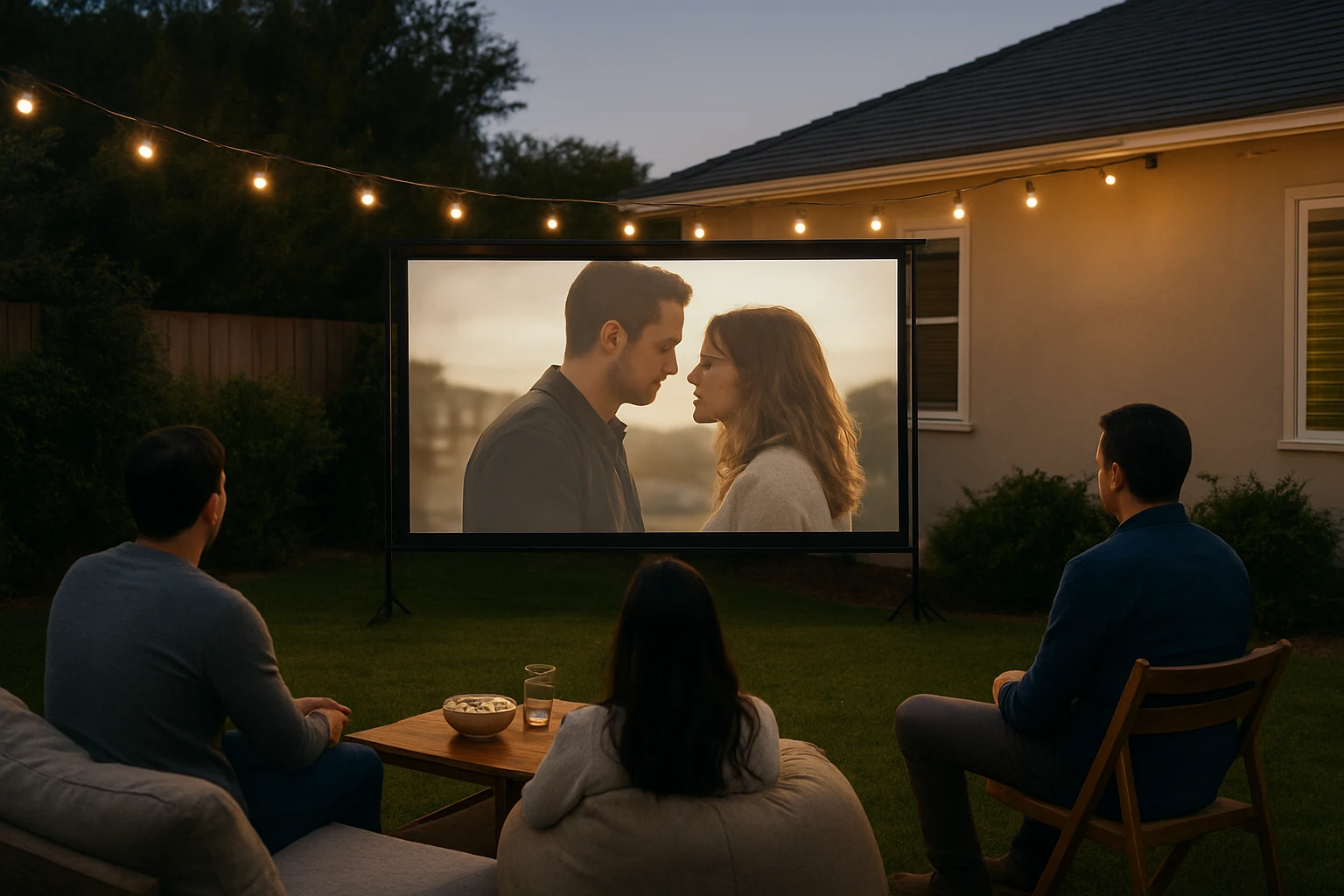
How to Reduce Sound Bleed from Your Backyard Movie Night: 11 Easy DIY Tips to Keep Neighbors Happy
One often enjoys an outdoor movie night without considering the impact on nearby residents. Excessive sound can lead to complaints, strained relationships, and even local ordinance violations. This guide teaches eleven practical steps that dramatically lower sound transmission while preserving the cinematic experience. By following the instructions, one will create a more respectful environment and enjoy peace of mind.
What You Will Need
The following materials are optional but highly recommended for optimal results. Many items can be substituted with household equivalents, yet the listed products provide superior performance and ease of installation. All product links open in a new tab for convenience.
- Geynnple Soundproof Foam Panels
- Tudomro Sound Dampening Blankets
- Saiqiang Acoustic Foam Panels
- XyraSound Self‑Adhesive Acoustic Panels
- Heavy‑duty double‑sided tape, utility knife, measuring tape, and a basic toolbox.
Step 1: Assess the Layout of Your Viewing Area
Begin by measuring the dimensions of the space where the screen and speakers will be placed. Identify hard surfaces such as concrete walls, fences, and the ground that reflect sound. Sketch a simple diagram noting the location of each speaker relative to the audience. This assessment informs the placement of acoustic treatments in later steps.
Step 2: Position Speakers Toward the Audience, Not the Neighbors
Direct speaker output toward the central viewing zone to minimize sound leakage. Elevate speakers on stands or tables to avoid direct contact with reflective surfaces. Use angled speaker mounts if available, aiming the drivers slightly downward. Proper orientation can reduce stray noise by up to thirty percent without additional equipment.
Step 3: Install Portable Acoustic Panels Behind the Speakers
Mounting high‑density panels behind the speakers absorbs rear‑facing sound waves. The Geynnple Soundproof Foam Panels provide superior sound dampening thanks to their dense foam composition. Each 48"×24" panel costs $59.99 and holds a rating of 4.0 stars from 259 reviews. Secure the panels with double‑sided tape or adhesive strips, ensuring full coverage of the speaker back wall.
Step 4: Hang Sound Dampening Blankets Around the Perimeter
Covering fence lines and nearby walls with heavy blankets reduces transmission through thin structures. The Tudomro Sound Dampening Blankets measure 48"×78" and feature metal grommets for easy hanging. Priced at $66.99 with a 3.9‑star rating, they are designed for indoor and outdoor use. Attach the blankets using the grommets and sturdy hooks, creating a continuous acoustic barrier.
Step 5: Add Wedge‑Shaped Foam to Side Walls
Side walls often act as conduits for sound to travel toward neighboring properties. The Saiqiang Acoustic Foam Panels are wedge‑shaped, enhancing absorption across a range of frequencies. A twelve‑pack costs $14.99 and enjoys a 4.2‑star rating from 741 reviewers. Apply the panels at ear level using the supplied double‑sided tape, overlapping edges for seamless coverage.
Step 6: Deploy Self‑Adhesive Large Panels on the Back Fence
For permanent installations, self‑adhesive panels provide a clean, tool‑free solution. The XyraSound Self‑Adhesive Acoustic Panels deliver an NRC of over 0.95, indicating excellent absorption of both high and low frequencies. Each panel measures 47.2"×23.6" and costs $79.99, with a 4.4‑star rating from 85 reviews. Peel the backing and press firmly onto the fence, ensuring a flat surface for maximum contact.
Step 7: Create a DIY Bass Trap Using Foam and Blankets
Low‑frequency sounds travel farther than high frequencies and often cause the most complaints. Build a simple bass trap by stacking foam panels in a corner and covering the exterior with a sound blanket. Secure the foam with zip ties, then drape a Geynnple panel over the top to enhance density. This hybrid approach captures bass energy while maintaining visual aesthetics.
Step 8: Use Outdoor Rugs or Carpets to Dampen Ground Reflections
The ground reflects sound upward, increasing overall volume. Lay heavy‑weight outdoor rugs or carpet squares beneath the speaker stands. Although not listed among the recommended products, any thick fabric will serve the purpose. Secure the rugs with non‑slip pads to prevent shifting during playback.
Step 9: Adjust Volume Levels and Use a Compressor
Technical control of audio levels can dramatically reduce unnecessary bleed. Set the main volume to a level that fills the viewing area without exceeding safe decibel thresholds. Employ a compressor to limit peaks, ensuring consistent output. This practice complements physical treatments and preserves audio quality.
Step 10: Schedule the Movie Night at Considerate Hours
Even with acoustic measures, timing influences neighbor tolerance. Begin the screening after sunset and conclude before midnight to respect typical quiet hours. Inform nearby residents in advance, offering a brief apology for any residual noise. Good communication often mitigates complaints more effectively than equipment alone.
Step 11: Perform a Post‑Event Sound Check
After the event, walk the perimeter and listen for any lingering echo or leakage. Adjust panel placement or add additional blankets if necessary for future screenings. Document the changes in a simple log to track improvements over time. Continuous refinement ensures long‑term success and neighbor goodwill.
Tips & Pro Tips
- Combine multiple products for layered absorption; dense foam behind speakers, blankets on fences, and wedges on side walls create a comprehensive barrier.
- Use weather‑proof adhesive strips when installing panels outdoors to prevent moisture damage.
- For temporary events, consider portable stands for blankets to allow quick setup and removal.
- Test the acoustic setup with a sound level meter app to verify decibel reductions.
Troubleshooting
Problem: Sound still travels through a fence despite blankets.
Solution: Add an additional layer of XyraSound Self‑Adhesive Acoustic Panels over the existing blankets, focusing on seams and gaps.
Problem: Foam panels do not stay attached.
Solution: Use heavy‑duty double‑sided tape or small mounting brackets for extra security.
Conclusion
By following the eleven steps outlined above, one can dramatically reduce sound bleed from a backyard movie night. The recommended products provide targeted absorption, easy installation, and aesthetic flexibility. Implementing both physical treatments and considerate practices creates an enjoyable experience for guests and neighbors alike. One is encouraged to experiment, refine, and share the results with the community.
Products Mentioned in This Guide
Frequently Asked Questions
What are the most effective DIY methods to reduce sound bleed during a backyard movie night?
Use sound‑absorbing foam panels or dampening blankets on surrounding walls, add a dense perimeter fence, and position speakers low and directed toward the audience.
Do I need special soundproofing products, or can I use household items?
While commercial foam panels and blankets work best, thick moving blankets, rugs, and dense foliage can provide comparable dampening if budget‑constrained.
How can I comply with local noise ordinances for outdoor movies?
Check your city’s quiet‑hours rules, keep volume below the recommended decibel level (usually 55 dB), and limit the event to permitted hours.
What is the ideal placement for speakers to minimize sound reaching neighbors?
Place speakers behind a solid barrier, aim them toward the viewing area, and keep them at least a few feet from property lines.
Will adding a fence or barrier significantly cut down sound transmission?
Yes, a solid fence or wall can block up to 50% of sound energy, especially when combined with absorptive materials on its surface.