How to Soundproof a Balcony for Movie Nights: DIY Tips to Block Noise & Enjoy Outdoor Films
Introduction
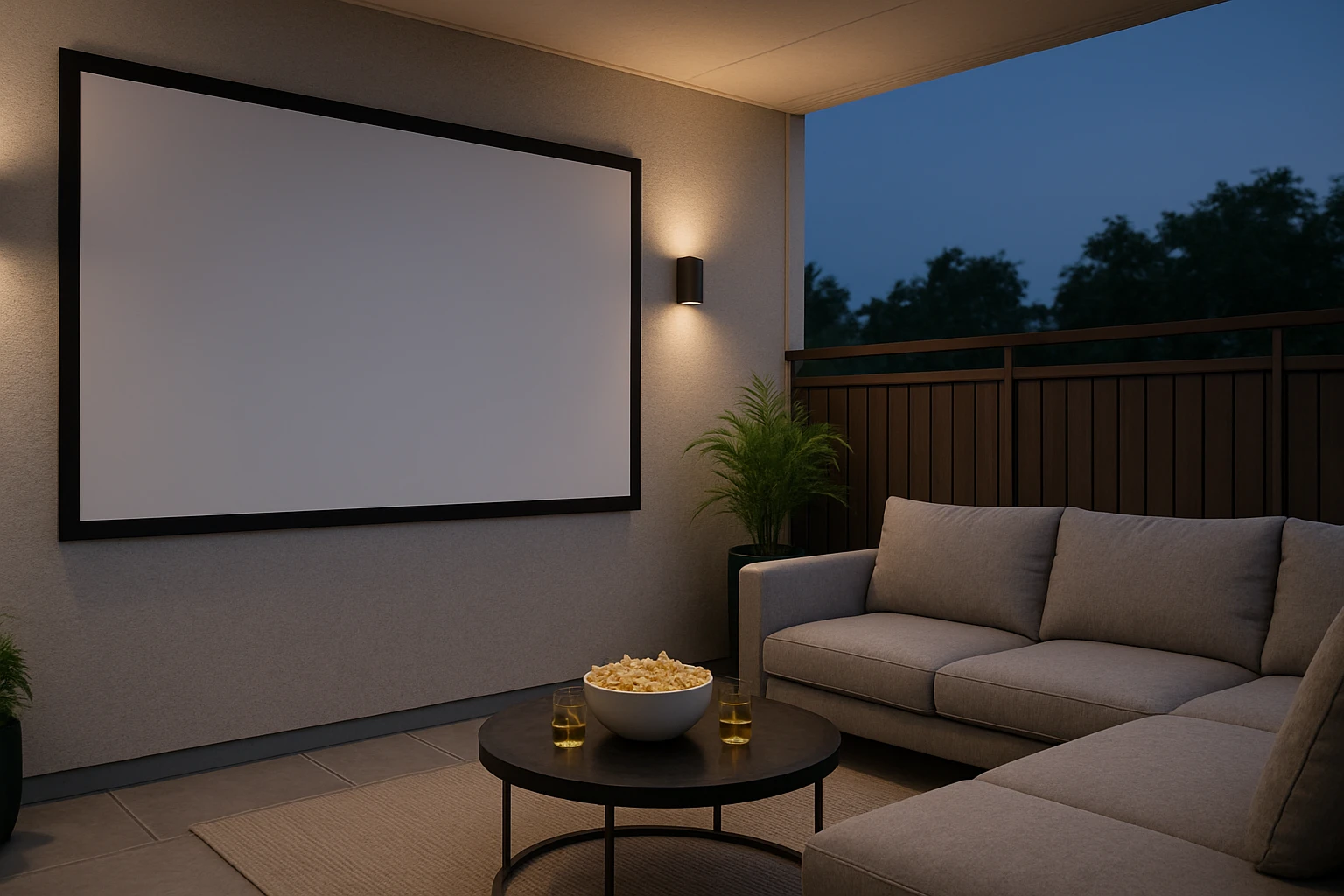
Balconies often provide a charming open‑air space, yet they can also expose viewers to street traffic, neighbor chatter, and echoing sound. This guide teaches readers how to reduce unwanted noise, create a comfortable viewing environment, and set up a reliable projection system. By following the outlined steps, one can enjoy a cinematic experience without disturbing the surrounding area, thereby increasing the value of the living space.
The instructions combine basic construction techniques with strategic product choices, ensuring that the project remains affordable while delivering professional‑grade results. Readers will learn how to assess acoustic challenges, select appropriate materials, install sound‑absorbing elements, and integrate a compact projector for seamless playback.
Although the guide recommends a specific mini projector, all other steps can be completed using common household tools, making the solution accessible to a wide audience.
Let us begin the transformation of a typical balcony into a quiet outdoor theater.
What You’ll Need
- Measuring tape and level
- Weather‑proof outdoor curtains or blackout fabric
- Acoustic foam panels or dense fabric‑wrapped panels
- Sealant (silicone or acrylic) and weather‑strip tape
- Heavy‑duty Velcro or magnetic strips for removable panels
- Power extension cord with outdoor rating
- Mounting brackets or a sturdy tripod
- Optional: YGSKK Mini WiFi Projector for high‑definition movie playback
Step 1: Assess the Noise Sources and Measure the Space
The first step is to identify the dominant sources of noise that affect the balcony. Typical culprits include traffic, nearby construction, and echo from hard surfaces. Walk around the balcony at different times of day while listening for recurring sounds. Record the loudest frequencies, as low‑frequency rumble often requires denser materials, while high‑frequency chatter can be mitigated with porous absorbers.
Measure the width, length, and height of the balcony to determine the surface area that will require treatment. Accurate dimensions help in ordering the correct amount of acoustic panels and curtain fabric, preventing waste and ensuring a seamless installation.
Document the locations of existing railings, lighting fixtures, and power outlets, as these will influence where mounting hardware can be placed without compromising safety.
Having a clear map of noise sources and dimensions sets the foundation for a targeted sound‑proofing plan.
Step 2: Install Weather‑Proof Curtains to Create a Physical Barrier
Heavy, weather‑proof curtains act as the first line of defense by blocking direct sound transmission from the street while also shielding the viewing area from wind and rain. Choose a fabric with a high density (at least 300 g/m²) and a tight weave. The curtains should be long enough to cover the entire balcony opening from ceiling to floor, allowing for a slight overlap to eliminate gaps.
Mount a sturdy curtain rod or tension‑track system along the balcony’s perimeter. Use stainless‑steel brackets to resist corrosion caused by outdoor exposure. Ensure the rod is level, as an uneven line can create acoustic leaks.
For added flexibility, attach magnetic strips or Velcro to the curtain back, enabling quick removal for cleaning or seasonal changes. This approach maintains the balcony’s usability while providing a removable sound barrier.
After installation, test the reduction in ambient noise by listening from the seated position. The curtains should lower overall sound levels by at least 5‑10 dB.
Step 3: Add Acoustic Panels to Absorb Reflections
Hard balcony surfaces such as concrete or tile reflect sound, creating echo that diminishes audio clarity. Acoustic foam panels, preferably with a thickness of 2‑4 inches, absorb mid‑range frequencies common in speech and movie dialogue. For low‑frequency control, consider dense fabric‑wrapped panels filled with mineral wool.
Cut the panels to fit the dimensions of the balcony walls and ceiling, leaving a small air gap between the panel and the surface for optimal absorption. Secure the panels using outdoor‑rated adhesive or mounting brackets that allow for removal during extreme weather.
Arrange the panels in a staggered pattern to avoid creating dead spots. Focus placement on the rear wall and ceiling, as these areas contribute most to reverberation.
When finished, the acoustic treatment should reduce reverberation time by roughly 30 %, resulting in clearer dialogue and a more immersive movie experience.
Step 4: Seal Gaps and Install Weather‑Stripping
Even small openings around railings, door frames, and vent holes can let in significant noise. Apply silicone sealant to any cracks in the balcony floor or walls. For movable components such as sliding doors, install weather‑strip tape along the edges to create an airtight seal.
Pay special attention to the junction between the curtains and the balcony frame. Use a flexible sealant that remains pliable in temperature fluctuations, ensuring that the barrier remains effective year‑round.
After sealing, perform a quick sound test by clapping near the sealed areas. A noticeable reduction in transmitted sound confirms a successful seal.
Sealing not only improves acoustic performance but also enhances the balcony’s weather resistance, protecting furniture and electronic equipment.
Step 5: Set Up the Projection System
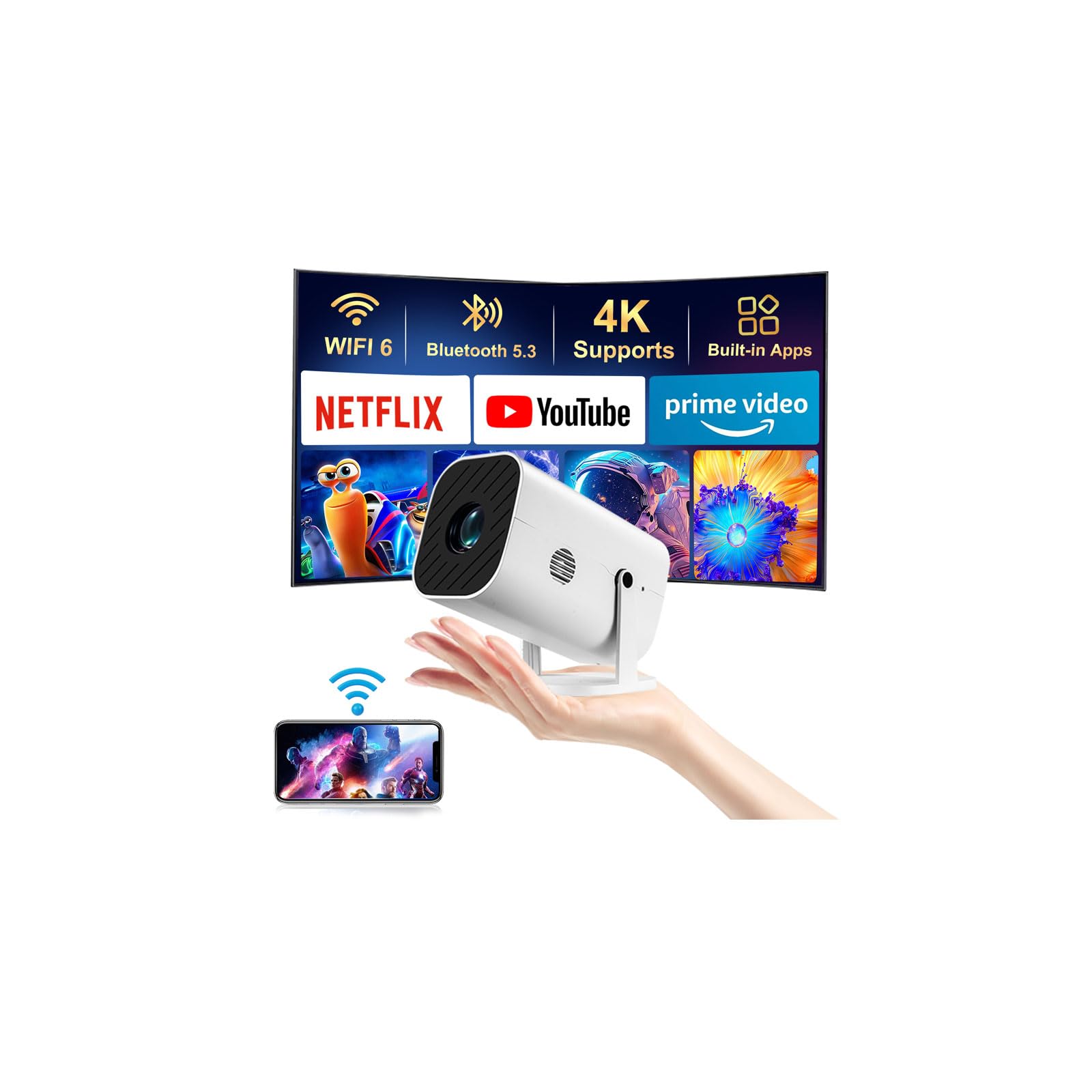
With the balcony now acoustically treated, the next step is to provide a high‑quality visual source. The YGSKK Mini WiFi Projector offers an ideal blend of portability, built‑in streaming apps, and sufficient brightness for outdoor use.
Key features of the projector include native 1080P resolution, 300 ANSI lumens brightness, Wi‑Fi 6 connectivity, and Bluetooth 5.3. At a price of $79.99 and a rating of 4.6 out of 5 stars from 2,745 reviews, it provides excellent value for a balcony cinema.
Position the projector on a stable tripod or mount it to the balcony railing using the supplied brackets. Aim the device toward the curtain screen, adjusting the focus using the electric focusing mechanism. The projector’s 210° rotation capability allows for flexible placement, ensuring the image fills the 50‑200 inch screen without distortion.
Connect the projector to a power source via an outdoor‑rated extension cord, and pair it with Bluetooth speakers if additional audio volume is required. The built‑in streaming apps eliminate the need for external media players, simplifying the setup and reducing cable clutter.
Run a quick test by streaming a high‑definition movie from Netflix. Verify that the image remains clear and the audio synchronizes with the visual content. Adjust the curtain tension if necessary to eliminate any light leakage that could wash out the picture.
Step 6: Optimize Seating and Ambient Lighting
Comfortable seating enhances the overall movie experience. Choose foldable outdoor chairs with cushions that resist moisture. Arrange the seating at a distance of approximately 1.5‑2.5 times the screen width for optimal viewing angles.
Control ambient lighting by using low‑glow LED strip lights along the balcony railings. Set the lights to a warm color temperature (2700‑3000 K) and dim them during playback to preserve the projector’s contrast ratio.
Consider adding a portable fan or heater, depending on the season, to maintain a comfortable temperature without introducing additional noise.
Finally, store all cables and accessories in waterproof bags when not in use, protecting them from humidity and extending their lifespan.
Tips & Pro Tips
- Test the sound‑proofing solution during peak traffic hours to confirm effectiveness under real‑world conditions.
- Use a laser level when installing curtains and panels to ensure a perfectly horizontal screen, which reduces image distortion.
- When sealing gaps, apply sealant in thin layers and allow each layer to cure fully before applying the next; this prevents cracking.
- If the balcony is exposed to direct sunlight, consider a retractable awning to reduce glare on the projected image.
- For enhanced audio, pair the projector with a Bluetooth soundbar that supports Dolby Atmos; the projector’s Bluetooth 5.3 ensures a stable connection.
Troubleshooting
Problem: The projected image appears dim or washed out.
Solution: Verify that the curtains are fully closed and that no external light sources are leaking through gaps. Increase the projector’s brightness setting if the ambient light level remains high.
Problem: Audio lags behind video.
Solution: Ensure the Wi‑Fi connection is stable; use the Wi‑Fi 6 capability of the projector and place the router within line of sight. If lag persists, connect an external Bluetooth speaker directly to the projector to reduce processing load.
Problem: Curtains flutter in the wind, causing screen movement.
Solution: Install weighted hems or use magnetic strips to secure the curtain edges to the frame, preventing movement while maintaining a tight seal.
Conclusion
By following this comprehensive guide, one can transform a noisy balcony into a tranquil outdoor cinema. The combination of weather‑proof curtains, acoustic panels, proper sealing, and a capable mini projector creates a balanced environment where visual and auditory enjoyment are maximized. The recommended YGSKK Mini WiFi Projector provides an affordable, high‑definition solution that integrates seamlessly with the sound‑proofed space.
Readers are encouraged to adapt the presented steps to their specific balcony dimensions and personal preferences, ensuring a customized and satisfying movie‑night experience.
Products Mentioned in This Guide
Frequently Asked Questions
What are the most effective DIY materials for soundproofing a balcony?
Mass‑loaded vinyl, acoustic foam panels, and dense curtains are affordable options that absorb and block outdoor noise.
How can I install sound‑absorbing panels without damaging the balcony structure?
Use removable adhesive strips or tension‑mounted frames that attach to railings and walls without drilling.
Will a mini projector work well in an outdoor balcony theater?
Yes, a compact LED projector with at least 2,500 lumens provides clear images even with ambient light.
How can I prevent sound from leaking to neighbors while watching movies?
Seal gaps with weatherstripping, add a thick rug or carpet, and position speakers toward the balcony’s interior.
Do I need any permits or approvals to soundproof my balcony?
Check local building codes and HOA rules; most DIY acoustic upgrades require no permits but may need neighbor consent.