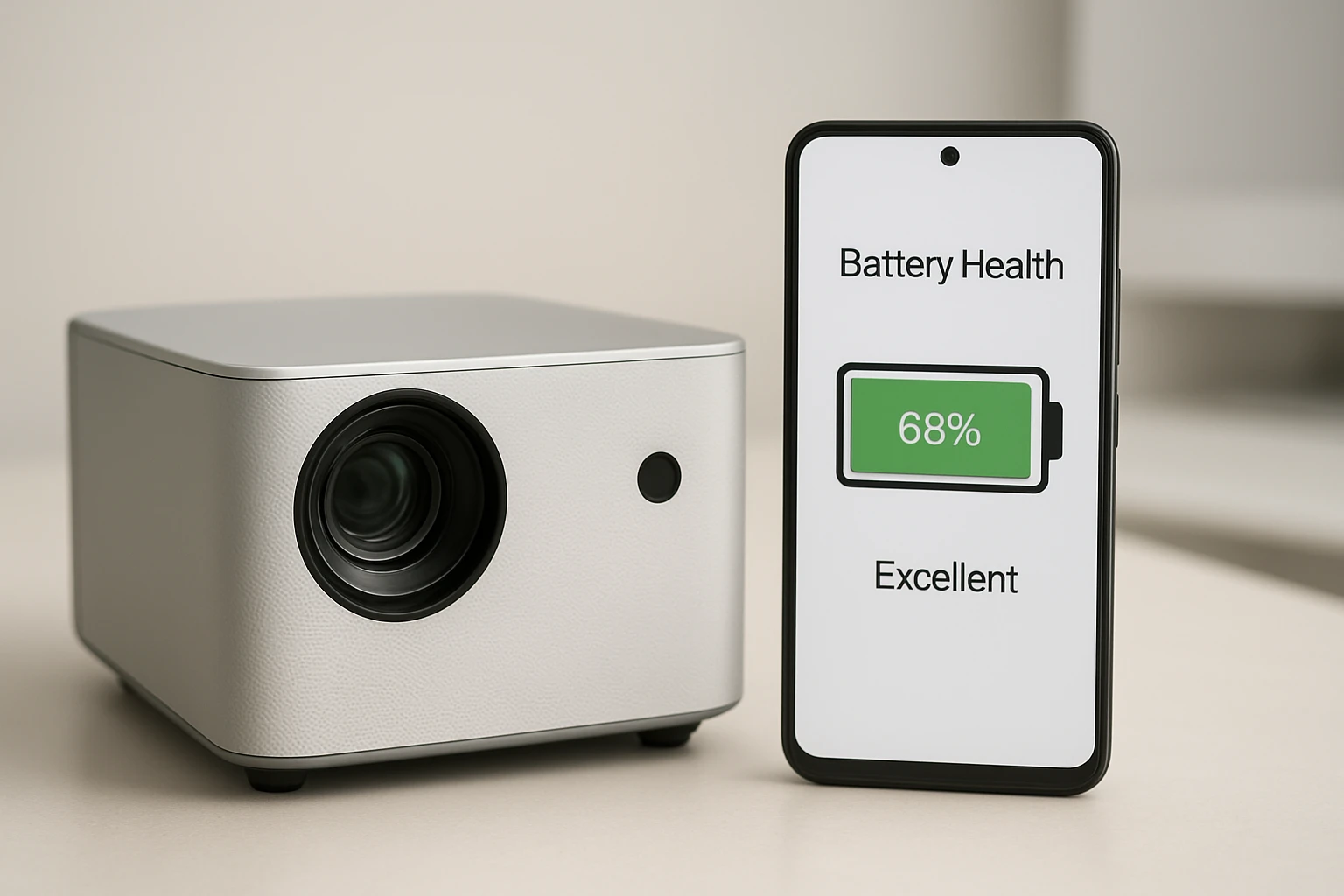
How to Test Battery Health of a Portable Projector: Step-by-Step Guide to Check Runtime, Capacity & Lifespan
In this guide, one will learn how to evaluate the battery health of a portable projector, measure its runtime, assess capacity, and estimate remaining lifespan. Understanding these parameters enables informed decisions about maintenance, replacement, or upgrade. The process combines basic electrical measurements with specialized monitoring tools. Even users without advanced technical backgrounds can follow the instructions and achieve reliable results.
What You'll Need
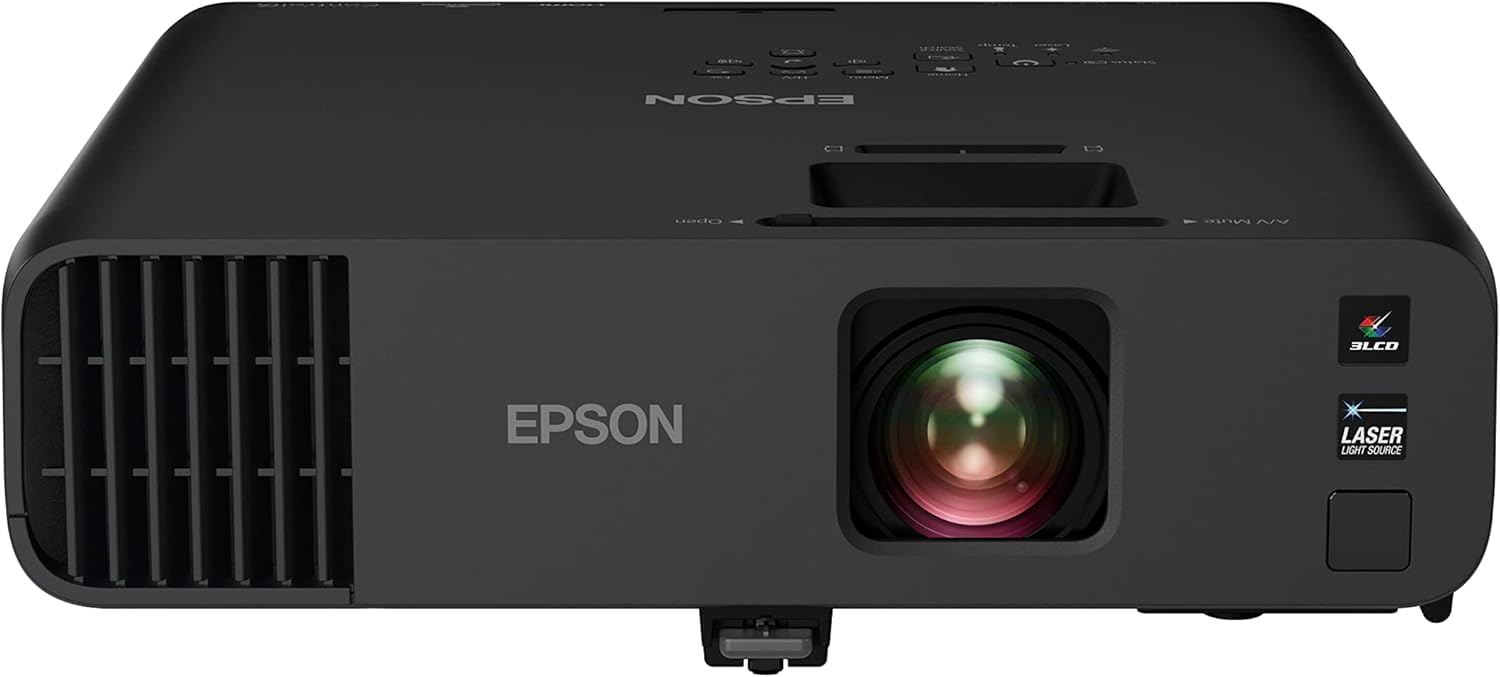
- A portable projector such as the Epson Pro EX11000 (or any comparable model).
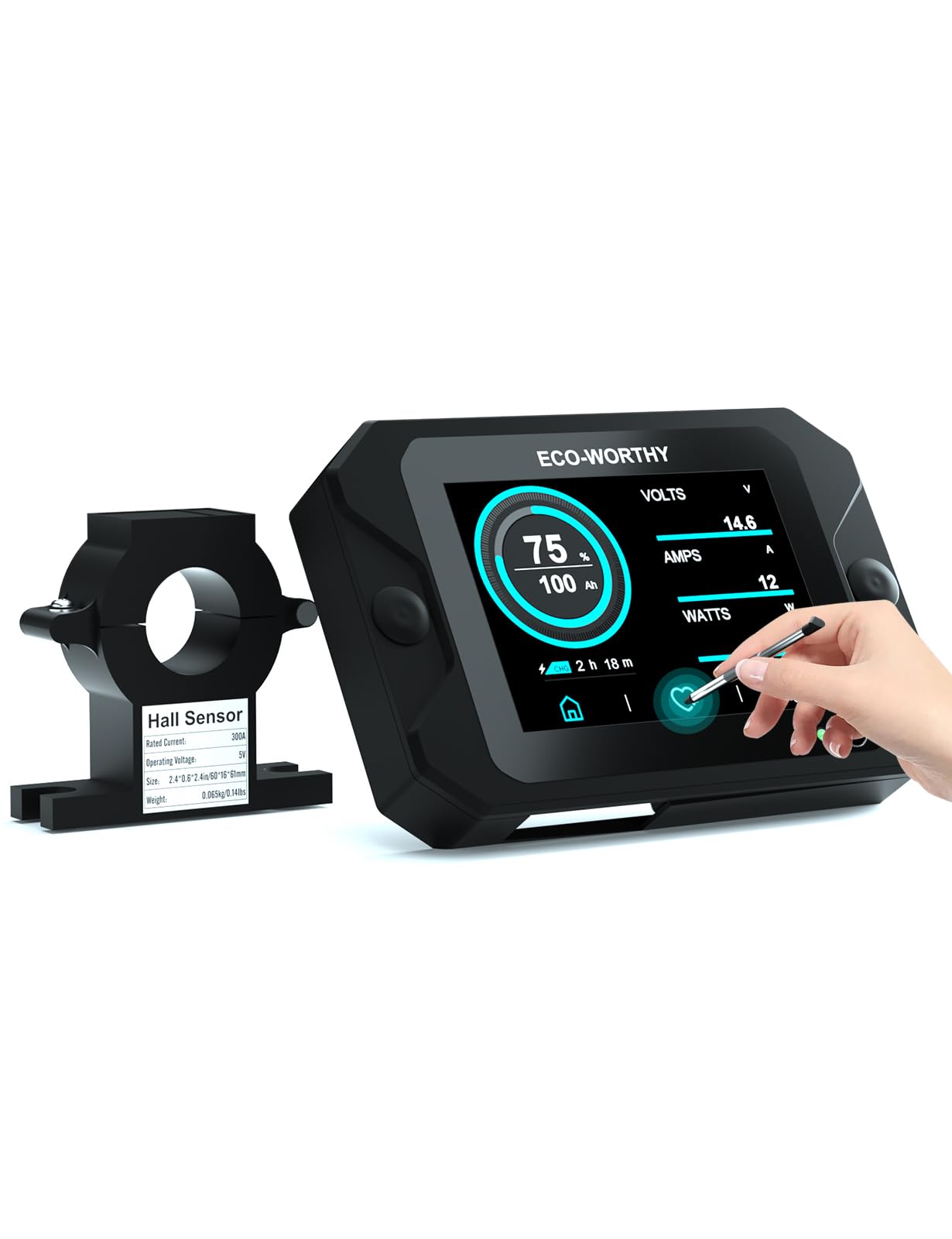
- An accurate battery monitoring device like the ECO-WORTHY 300A Battery Monitor.
- A digital multimeter capable of measuring DC voltage.
- A fully charged power outlet or surge protector.
- Notebook or spreadsheet software for recording data.
- Safety gloves and eye protection.
Step 1: Prepare the Workspace and Verify Safety
Begin by selecting a well‑ventilated area free from dust and flammable materials. Disconnect the projector from any external power sources and allow it to cool for at least five minutes to avoid inaccurate readings caused by thermal drift. Wear safety gloves and eye protection to guard against accidental short circuits. Ensure that the battery monitor is calibrated according to the manufacturer’s instructions before proceeding.
Step 2: Identify Projector Battery Specifications
Consult the projector’s user manual or the specification sheet to locate the rated voltage, capacity (mAh), and expected runtime. For the Epson Pro EX11000, the built‑in lithium‑ion battery is rated at approximately 10,800 mAh and 7.2 V, providing up to three hours of continuous use under optimal conditions. Record these values in your notebook; they will serve as benchmarks for later comparison.
Step 3: Measure Initial Open‑Circuit Voltage
Using the digital multimeter, set the dial to DC voltage and connect the probes to the battery terminals, observing correct polarity. Record the voltage without any load; a healthy fully charged lithium‑ion cell typically reads between 8.2 V and 8.4 V for a 7.2 V nominal pack. If the voltage is significantly lower, perform a full charge cycle before continuing, as a low initial voltage can skew capacity calculations.
Step 4: Connect the Battery Monitor and Conduct a Runtime Test
Attach the ECO-WORTHY 300A Battery Monitor to the projector’s battery according to the monitor’s wiring diagram. The monitor’s high‑precision Hall sensor eliminates the need for current‑carrying wires, reducing measurement error. Set the monitor to display real‑time voltage, current, and remaining capacity. Power on the projector and begin a standardized playback scenario—such as a 1080p video at 50 % brightness—to simulate typical usage.
Allow the projector to run until the battery reaches the low‑voltage shutdown threshold (usually around 6.0 V). The monitor will record total discharge time and the amp‑hour (Ah) value delivered. Note the runtime in minutes and the reported capacity in mAh.
Step 5: Compare Measured Capacity to Rated Capacity
Calculate the percentage of remaining capacity by dividing the measured mAh by the manufacturer’s rated capacity and multiplying by 100. For example, if the monitor reports 7,200 mAh delivered from a rated 10,800 mAh pack, the battery is operating at roughly 67 % of its original capacity. This metric indicates the degree of wear and helps predict when replacement will be necessary.
Document any deviations from expected performance, such as unusually rapid voltage drop or irregular current spikes. These signs may point to cell imbalance or internal resistance increase, both of which reduce effective runtime.
Step 6: Estimate Remaining Lifespan
Lithium‑ion batteries typically retain 80 % of their original capacity after 500–800 full charge‑discharge cycles. Using the percentage derived in Step 5, estimate the number of cycles already consumed. If the battery shows 67 % capacity, it has likely experienced roughly 600–700 cycles. Combine this estimate with the projector’s usage pattern to forecast when the battery will fall below the 80 % threshold, prompting proactive replacement.
Consider environmental factors such as temperature extremes, which accelerate degradation. Storing the projector in a cool, dry place when not in use can extend battery life by reducing chemical stress.
Tips & Pro Tips
- Perform the runtime test at a consistent brightness level; higher brightness dramatically shortens battery life.
- Use the monitor’s programmable alarm feature to receive an audible alert when voltage approaches the low‑cutoff, preventing sudden shutdown.
- Before the first use of the ECO-WORTHY 300A Battery Monitor, complete a full charge‑discharge cycle to calibrate its accuracy.
- If the projector supports external power, conduct a parallel test with the battery removed to verify that the runtime discrepancy is not caused by firmware throttling.
- Regularly clean the projector’s ventilation grilles; excessive heat can cause the battery to age faster.
Troubleshooting
| Problem | Possible Cause | Solution |
|---|---|---|
| Monitor shows zero current | Hall sensor not connected properly | Re‑check wiring and ensure sensor polarity is correct. |
| Battery voltage drops too quickly | Battery nearing end‑of‑life or high internal resistance | Consider replacing the battery or reducing projector brightness. |
| Inconsistent capacity readings | Temperature fluctuations during test | Conduct test in a stable ambient temperature (20‑25 °C). |
Conclusion
By following this systematic approach, one can accurately assess the health of a portable projector’s battery, quantify its runtime, and estimate remaining lifespan. The combination of a reliable projector such as the Epson Pro EX11000 and the precise ECO-WORTHY 300A Battery Monitor simplifies the process and reduces measurement error. Armed with this data, users can schedule maintenance, avoid unexpected shutdowns, and make cost‑effective decisions about battery replacement.
Products Mentioned in This Guide


Frequently Asked Questions
How can I measure the runtime of my portable projector’s battery?
Run the projector from a full charge until it powers off, note the start and stop times, and calculate the total minutes of operation.
What tools are needed to check battery capacity?
Use a digital multimeter for voltage and a battery monitoring device like the ECO‑WORTHY 300A to record current draw and estimate capacity.
How do I interpret voltage readings to determine battery health?
Compare the resting voltage to the manufacturer’s nominal voltage; a drop of more than 10‑15% typically signals significant degradation.
How often should I test my projector’s battery?
Perform a health check every 3‑6 months or after 200‑300 charge cycles to catch early wear.
Can I extend the lifespan of my portable projector battery?
Store it at 50‑70 % charge, avoid deep discharges, and use a proper charger to prevent over‑charging.