Introduction
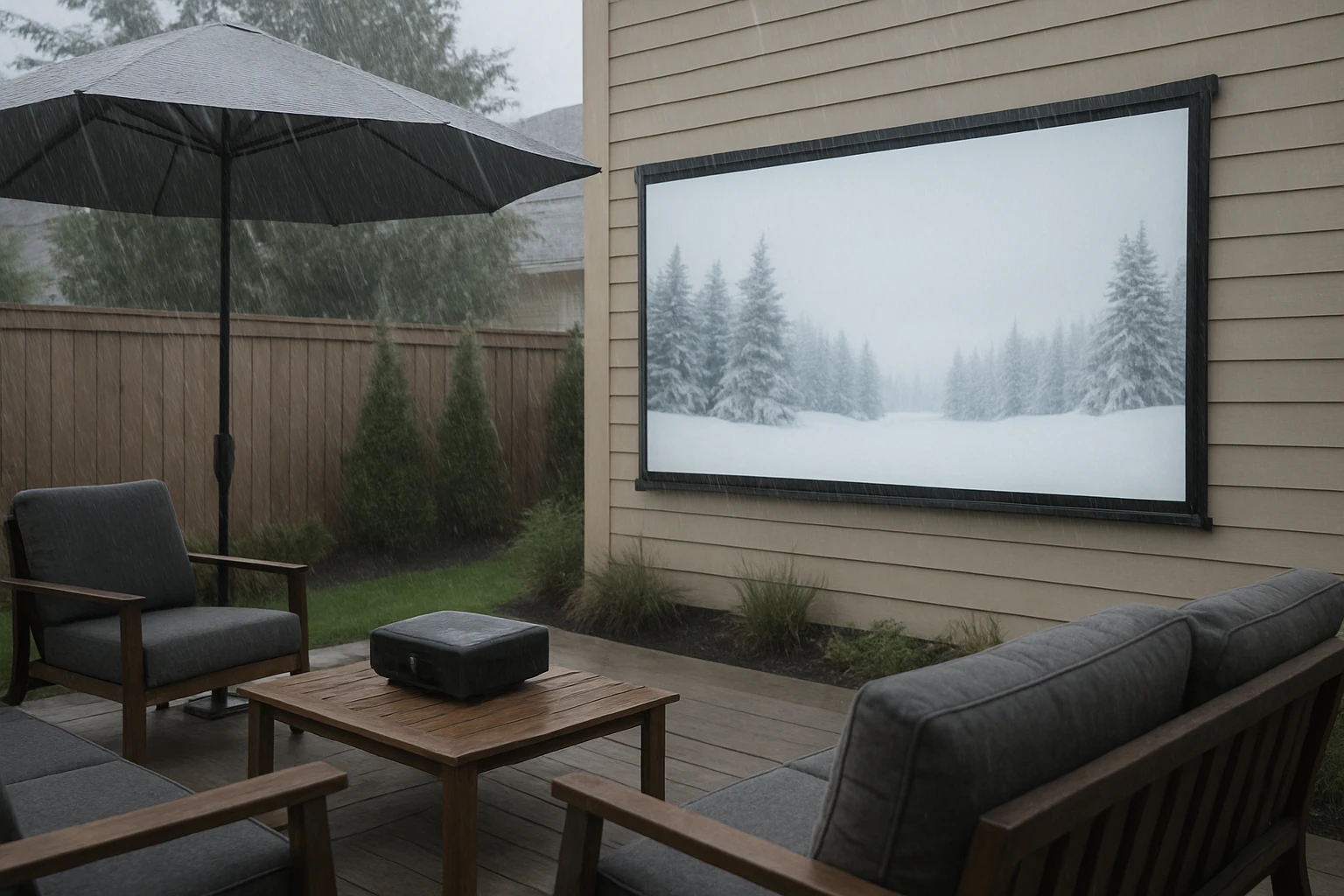
Backyard cinema has become a beloved summer pastime, yet many enthusiasts abandon the hobby when the weather turns cold or wet. This guide explains how to protect a movie setup from winter chill, snow, and rain, ensuring reliable performance throughout the year. Readers will learn essential concepts, practical strategies, and product recommendations that combine durability with visual quality. By the end of the article, one will be equipped to design a resilient outdoor theater that delivers crisp images and immersive sound regardless of the season.
Background & Context
Outdoor projection relies on three core components: a screen, a projector, and an audio system. Each component reacts differently to moisture and low temperatures. Screens made from PVC or matte fabric can warp or develop mildew if exposed to prolonged dampness. Projectors generate heat; freezing ambient temperatures may affect lamp life and cause focus drift. Speakers, especially those with exposed cones, can suffer from condensation and reduced bass response. Understanding these vulnerabilities is the first step toward a weather‑proof design.
Historically, portable screens were intended for temporary summer use, but advances in materials now allow year‑round deployment. Modern frames employ aluminum alloys that resist rust, while coated fabrics repel water and resist UV degradation. When paired with proper anchoring and protective covers, these innovations enable a backyard theater to withstand snow loads up to several inches and wind speeds of 20 mph without compromising image clarity.
Choosing a Weather‑Resistant Screen
The screen is the most visible element of any outdoor theater, and its performance directly influences viewer satisfaction. When selecting a screen for all‑season use, prioritize the following attributes:
- Material Quality: Look for premium PVC matte that is wrinkle‑free and water‑repellent.
- Frame Construction: Aluminum frames with ground stakes and rigging cords provide stability against wind and snow.
- Portability: A design that folds compactly and includes a padded carrying case simplifies storage during off‑season months.
- Aspect Ratio: A 16:9 ratio matches most modern projectors and streaming content.
One product that meets these criteria is the JWSIT 120‑Inch Outdoor Projector Screen. It features a three‑layer PVC construction, a lightweight aluminum frame, and a stability‑ensure kit containing ground stakes, rigging cords, and support rings. The screen measures 120 inches diagonally, providing a 16:9 viewing area suitable for both cinematic films and presentations. With a rating of 4.6 out of 5 stars from 2,884 reviews and a price of $178.99, it balances affordability with high‑quality performance.
Protecting Your Projector from Cold and Moisture
Projectors are sensitive to temperature extremes because their light sources generate heat that must dissipate efficiently. In winter, ambient temperatures below 0 °C can cause the lamp to take longer to reach optimal brightness, while rapid temperature shifts may lead to condensation inside the housing.
To mitigate these risks, consider the following measures:
- Enclosed Housing: Place the projector inside a weather‑proof enclosure with ventilation holes covered by breathable mesh. This prevents snow or rain from contacting the unit while allowing heat to escape.
- Heated Pad: Use a low‑wattage heating pad beneath the projector to maintain a stable operating temperature during cold nights.
- Cover When Not in Use: Store the projector in a dry, insulated case when the theater is idle for extended periods.
These steps extend lamp life, preserve image brightness, and reduce the likelihood of hardware failure caused by moisture.
Securing Audio Equipment Against the Elements
Outdoor speakers must endure humidity, snow, and temperature fluctuations. Waterproof or weather‑rated speakers, often rated IPX4 or higher, are essential for reliable sound. Position speakers on raised platforms or within protective cabinets to avoid direct exposure to puddles or snow accumulation.
For added resilience, wrap speaker cables in UV‑resistant conduit and use waterproof connectors. If the theater includes a subwoofer, place it on a raised wooden pallet and cover it with a breathable tarp when not in use. These precautions prevent moisture ingress while maintaining acoustic performance.
Anchoring and Stabilizing the Entire Setup
Wind and snow can destabilize even the sturdiest frame. The JWSIT screen includes ground stakes, rigging cords, and support rings, allowing users to anchor the frame securely to the ground. When setting up, follow these steps:
- Drive the four ground stakes into the soil at a 45‑degree angle, ensuring they penetrate at least 12 inches.
- Attach rigging cords to the support rings on the frame’s corners and tension them toward nearby trees or posts.
- Check that the screen fabric is taut after snapping all metal fasteners; a tight surface reduces wind flutter and image distortion.
In regions with heavy snowfall, consider adding a lightweight, removable canopy above the screen to shed snow and reduce wind load. The canopy should be made of waterproof fabric with a slope that directs water away from the screen surface.
Comparison & Selection Guide
When evaluating screens for a weather‑proof theater, compare key specifications side by side. The table below highlights the JWSIT screen against two generic alternatives commonly found on the market.
| Feature | JWSIT 120‑Inch Outdoor Screen | Generic 100‑Inch PVC Screen | Premium 150‑Inch Motorized Screen |
|---|---|---|---|
| Material | 3‑Layer PVC Matte (wrinkle‑free) | Single‑Layer PVC | High‑Gain Fabric with Motor |
| Frame | Aluminum with ground stakes & rigging cords | Steel, no anchoring kit | Aluminum motorized, requires power source |
| Portability | Folds compactly, includes padded bag | Bulky, no case | Heavy, requires assembly |
| Weather Rating | Water‑resistant, wind‑stable up to 20 mph | Limited water resistance | Water‑proof housing, but motor vulnerable to snow |
| Price | $178.99 | $89.99 | $399.99 |
| Ratings | 4.6/5 (2,884 reviews) | 3.8/5 (1,120 reviews) | 4.4/5 (540 reviews) |
For most backyard setups, the JWSIT screen offers the optimal blend of durability, ease of transport, and cost effectiveness. Users who require a larger image or motorized operation may consider premium options, but they must accept higher price points and additional maintenance.
Best Practices & Tips for Year‑Round Use
Beyond equipment selection, successful winter‑proofing depends on disciplined maintenance and operational habits. Follow these actionable tips:
- Seasonal Storage: Disassemble the screen, fold the fabric, and store it in its dedicated case inside a dry garage during the off‑season.
- Regular Inspection: Before each use, inspect frame joints, stakes, and cords for rust or wear. Replace any compromised components promptly.
- Moisture Management: After a rainy night, wipe the screen surface with a soft, dry cloth to prevent water spots that could affect image contrast.
- Temperature Monitoring: Use a portable thermometer to ensure ambient temperature is above the projector’s minimum operating threshold (typically 5 °C).
- Snow Load Awareness: If snowfall exceeds 2 inches, remove the screen temporarily or install a temporary roof to avoid excess weight that could warp the frame.
- Power Protection: Connect all electronic components to a surge protector with an integrated circuit breaker to guard against lightning‑induced spikes.
Implementing these practices reduces wear, extends equipment lifespan, and maintains consistent image quality throughout the year.
Frequently Asked Questions
- Can I leave the screen set up during winter? Yes, provided you anchor it securely, cover it with a waterproof canopy, and ensure snow accumulation does not exceed the frame’s load rating.
- Will moisture affect the PVC material? High‑quality PVC matte repels water; however, prolonged exposure to standing water can lead to mildew, so drying the screen after rain is advisable.
- Do I need a separate projector enclosure? An enclosure is recommended for rain protection and temperature stability, especially for lamp‑based projectors.
- How often should I replace the ground stakes? Inspect stakes annually; replace them if rust or bending is observed, typically every 2‑3 years in coastal climates.
- Is a motorized screen worth the investment for outdoor use? Motorized screens provide convenience but add complexity and vulnerability to moisture; a manual frame like the JWSIT screen is generally more reliable for outdoor environments.
- Can I use the screen for daytime presentations? The matte PVC surface offers decent gain, but for bright daylight a higher‑gain or tensioned screen with a black backing is preferable.
- What warranty does the JWSIT screen include? It comes with a 1‑year manufacturer warranty and lifetime technical support, reflecting confidence in its durability.
Conclusion
Winter‑proofing and rainproofing a backyard movie setup does not require exorbitant spending; it demands thoughtful selection of materials, proper anchoring, and disciplined maintenance. By choosing a robust screen such as the JWSIT 120‑Inch Outdoor Projector Screen, protecting the projector and speakers, and following the best‑practice checklist, one can enjoy cinematic experiences from summer through winter. The strategies outlined in this guide empower readers to build a resilient outdoor theater that delivers high‑definition visuals and clear audio regardless of weather conditions.
Products Featured in This Guide
JWSIT 120‑Inch Outdoor Projector Screen
Price: $178.99
Rating: 4.6/5 (2,884 reviews)
Featured because it combines a wrinkle‑free PVC matte surface, a lightweight aluminum frame, comprehensive anchoring accessories, and a portable carrying case—all essential for a weather‑resistant backyard cinema.