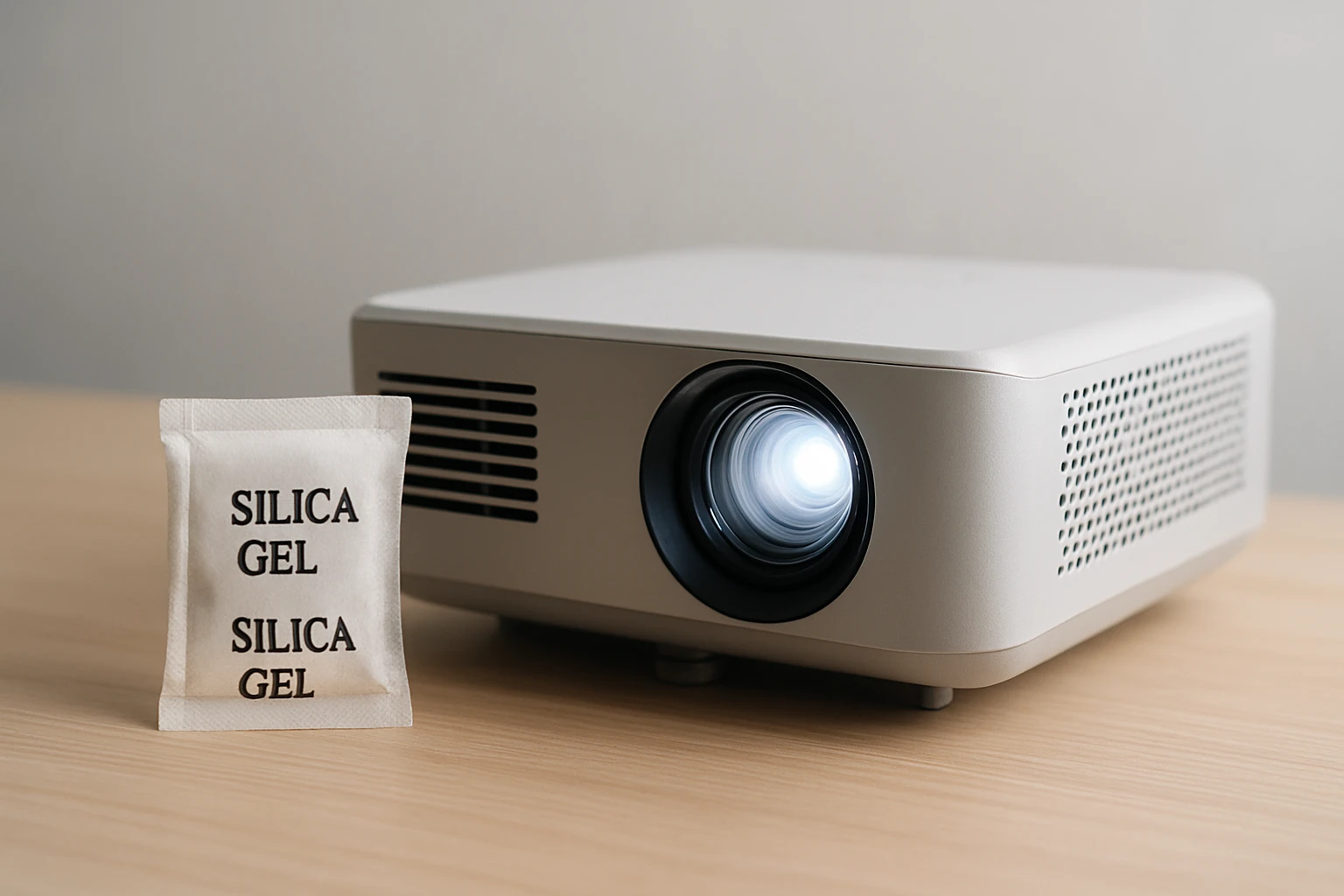

Introduction
Condensation inside a portable projector can cause fogging, image distortion, and permanent damage to delicate optical components. One may think that a brief exposure to humidity is harmless, but the moisture can settle on the lens and internal circuitry, leading to costly repairs. This guide explains the science behind condensation, provides a step‑by‑step prevention plan, and recommends tools that make the process easier. By following the instructions, one will protect an investment and enjoy reliable performance wherever the projector travels.
What You'll Need
- XuanPad White Mini 4K Projector – $199.99, 4.5/5 stars (4,170 reviews)
- LUXJA Large Projector Carry Case – $31.99, 4.7/5 stars (465 reviews)
- Silica gel packets (available in bulk)
- Microfiber cleaning cloth
- Portable dehumidifier or small fan (optional)
Step 1: Understand the Causes of Moisture
The primary cause of condensation is the temperature differential between the projector's internal components and the surrounding air. When a warm projector is moved into a cooler environment, water vapor in the air can condense on cold surfaces, much like a cold glass sweats on a hot day. Portable projectors often travel from air‑conditioned indoor spaces to humid outdoor locations, creating repeated cycles of temperature change. Recognising these conditions enables one to intervene before droplets form.
Step 2: Choose a Projector Designed for Variable Environments
Modern mini projectors incorporate technologies that mitigate moisture buildup, and the XuanPad White Mini 4K Projector exemplifies this approach. It features an intelligent light‑sensing system and AI‑driven autofocus that maintain optimal image quality even when ambient humidity fluctuates. The device also includes dual‑band Wi‑Fi and Bluetooth, reducing the need for external accessories that could introduce additional moisture pathways. At $199.99 and a rating of 4.5 stars, it offers a cost‑effective balance of performance and durability for travelers.
Step 3: Store the Projector in a Protective, Moisture‑Resistant Case
After each use, the projector should be placed in a case that shields it from humidity and physical shocks. The LUXJA Large Projector Carry Case provides heavy‑duty nylon construction with thick padding that absorbs impacts and blocks moisture ingress. Its main compartment fits the XuanPad Mini comfortably, while the interior padded sleeve can hold a laptop for presentations, eliminating the need for a separate bag. With multiple external pockets, users can store silica gel packets, cables, and a microfiber cloth, keeping all accessories organised and dry.
Step 4: Use Desiccants Inside the Case
Silica gel packets act as passive dehumidifiers, absorbing excess moisture from the air inside the case. Place two to three packets in the side pockets of the LUXJA case; replace them every month or when they change colour, indicating saturation. Because the case is sealed when the zippers are closed, the desiccants maintain a low‑humidity micro‑environment that prevents condensation during transport. This low‑cost solution is especially valuable in tropical climates where ambient humidity often exceeds 80%.
Step 5: Allow the Projector to Acclimate Before Power‑On
When moving the projector from a cold environment to a warm one, give it at least 15 minutes to reach ambient temperature before turning it on. This pause permits any residual moisture on the exterior to evaporate naturally, reducing the risk of droplets forming on the lens. During this period, keep the projector in its LUXJA case with the desiccants active, as the sealed environment accelerates temperature equalisation. Skipping this step can result in fogged images and, over time, corrosion of internal circuitry.
Step 6: Maintain a Clean Lens and Ventilation Pathways
Dust and grime can trap moisture, creating micro‑pockets where condensation forms. Use a microfiber cleaning cloth to gently wipe the lens after each use, and inspect the ventilation grilles for blockages. The XuanPad Mini’s built‑in fan circulates air to cool the LCD panel; ensuring unobstructed airflow enhances its ability to dry internal surfaces quickly. Regular cleaning extends the projector's lifespan and preserves image clarity.
Step 7: Control the Environment When Projecting Outdoors
Outdoor projection often occurs in humid evenings or early mornings. Position the projector on a stable, elevated surface to avoid ground moisture, and use a portable dehumidifier or small fan to circulate dry air around the device. If a dehumidifier is unavailable, a simple trick is to place a shallow tray of silica gel packets near the projector; the packets will absorb ambient moisture during the session. Maintaining a dry micro‑climate reduces the likelihood of fogging on the projected image.
Tips & Pro Tips
- Never store a warm projector in a sealed bag; the residual heat can create condensation inside the case.
- Consider a weather‑proof cover for the projector when shooting in rain or heavy dew; the XuanPad Mini's IP rating is not water‑resistant.
- Rotate silica gel packets regularly; a simple colour‑change indicator tells you when they need re‑charging.
- When travelling by air, place the projector in a padded sleeve inside the LUXJA case to comply with airline carry‑on regulations and to protect against pressure changes.
Troubleshooting
Problem: Image appears hazy after a night of storage.
Solution: Power off the projector, remove it from the case, and let it air out for 10 minutes in a low‑humidity room. Clean the lens with a microfiber cloth, and verify that the ventilation grilles are free of dust.
Problem: Persistent fogging despite using desiccants.
Solution: Replace the silica gel packets, inspect the case for hidden tears, and ensure the zippered closure is fully sealed. If the issue continues, consider using a small rechargeable dehumidifier inside the case.
Conclusion
Preventing condensation in portable projectors requires a combination of understanding environmental factors, selecting appropriate hardware, and employing simple protective measures. By using the XuanPad White Mini 4K Projector for its built‑in moisture‑resistant features and storing it in the LUXJA Large Projector Carry Case with silica gel packets, one creates a robust defense against fogging and damage. Implement the acclimation, cleaning, and environmental‑control steps outlined above, and the projector will deliver clear, reliable performance for years to come.
Products Mentioned in This Guide
Frequently Asked Questions
What causes condensation inside a portable projector?
Moisture from humid air, temperature shifts, and trapped water vapor settle on lenses and circuitry, causing fogging and damage.
How can I prevent condensation when traveling with a projector?
Store the projector in a sealed case with silica gel packets and let it acclimate to room temperature before use.
Are silica gel packets effective for projector moisture control?
Yes, they absorb excess humidity inside the case, reducing the risk of internal condensation.
What should I do if my projector already shows fogging?
Turn it off, let it dry in a low‑humidity environment, and gently wipe the lens with a microfiber cloth before restarting.
Do portable dehumidifiers or fans help prevent projector condensation?
A small dehumidifier or fan can lower ambient moisture, further protecting the projector during extended use.
![[Officially-Licensed App & Auto Focus]White Smart Mini Projector with WiFi and Bluetooth, XuanPad 4K Support Movie Projector, Portable Native 1080P Outdoor Projector with 360° Stand](https://m.media-amazon.com/images/I/71eMQlH6EgL.jpg)