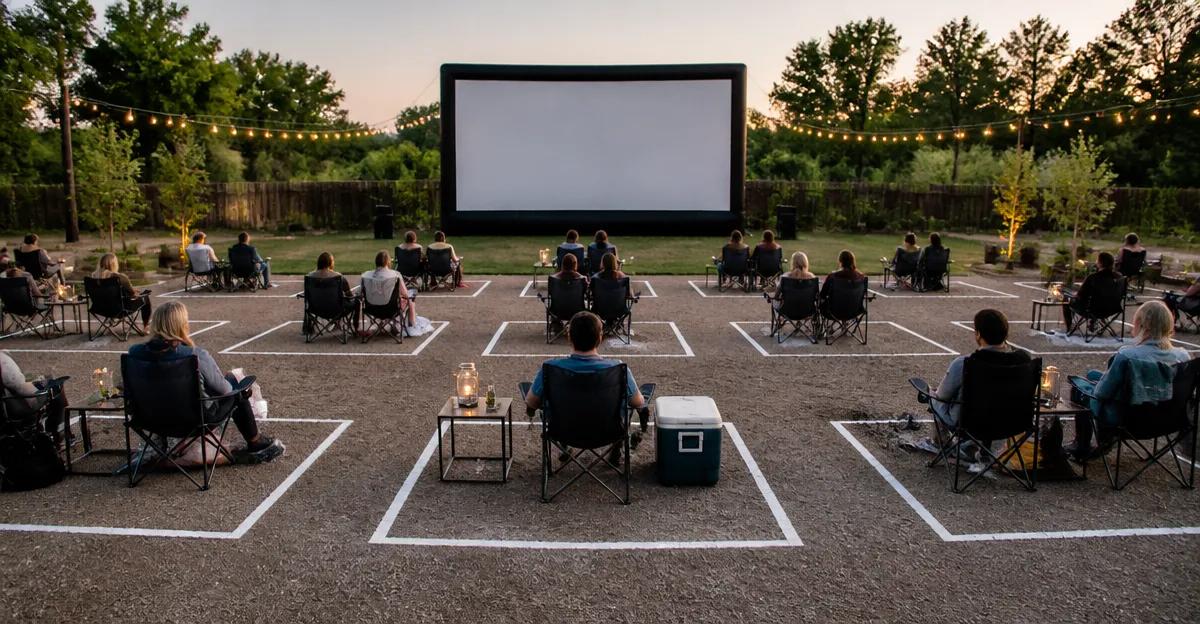
Socially Distanced Outdoor Screening Layout Guide: Step‑by‑Step Seating Plans, Safety Tips & Venue Mapping
Introduction
This guide explains how to create outdoor event spaces that respect social distancing while preserving comfort and aesthetics. Readers will learn how to assess venue dimensions, select appropriate screening materials, design seating arrangements, and map traffic flow. The article also provides product recommendations, a comparison chart, best‑practice tips, and answers to common questions.
All recommendations are based on real Amazon products, and each product link opens in a new tab for easy reference.
Background and Context
Since the emergence of public‑health guidelines, outdoor gatherings have become the preferred format for concerts, weddings, and community events. Outdoor air reduces viral load, yet physical proximity still matters. Screening barriers, such as mesh or fabric panels, create visual separation without obstructing airflow.
Effective screening requires understanding three core concepts: material durability, UV resistance, and ease of installation. Durable materials survive weather exposure; UV‑resistant fabrics prevent fading; and simple installation ensures rapid deployment for temporary events.
In addition, planners must consider local regulations regarding spacing, maximum occupancy, and emergency egress. This guide integrates those considerations with practical design steps.
Planning the Layout
The first step is to measure the venue and establish a grid that reflects the required distance between guests, typically six feet. Use a laser measuring tool or a long measuring tape to record length, width, and any obstacles such as trees or permanent structures.
Next, draw a scaled floor plan on graph paper or a digital design tool. Mark entry points, exits, restrooms, and service areas. Allocate buffer zones near high‑traffic locations where additional screening may be necessary.
Finally, decide on the orientation of seating rows. Align rows parallel to the longest wall to minimize the number of aisles, and stagger seats to improve sightlines while maintaining distance.
Selecting Screening Materials
Choosing the right screen material balances durability, visibility, and cost. For most outdoor events, fiberglass mesh offers a strong, insect‑proof barrier that does not impede airflow. The Falanava Fiberglass Screen Mesh provides a 48‑inch by 100‑foot roll, 18 × 16 fine mesh, and a 4.9‑star rating from eleven reviewers. Its heavy‑duty construction resists tearing from pets and wind, making it suitable for long‑term installations.
When a softer, fabric‑based barrier is preferred for aesthetic reasons, the SUNLAX Balcony Privacy Screen offers a 3‑by‑16‑foot sand‑colored HDPE mesh with 95% UV protection and double‑stitched grommets for secure attachment. It has earned a 4.5‑star rating from 3,845 reviews, indicating broad customer satisfaction.
For projects requiring a shorter roll or a different width, the MTOUOCK Fiberglass Screen Roll supplies a 36‑inch by 100‑foot roll at a competitive price, rated 4.6 stars by 186 reviewers. Its fine 18 × 16 weave provides reliable insect protection while remaining easy to cut.
Finally, the ADFORS Standard Screen is a charcoal‑colored 48‑inch by 25‑foot roll designed for fire‑resistant applications. Although temporarily out of stock, its 4.7‑star rating and GREENGUARD Gold certification make it a premium choice for venues that prioritize safety certifications.
Seating Arrangements and Distancing
After the layout grid is established, place seating modules within the buffer zones. Use round tables with a diameter of eight feet to accommodate six chairs while preserving six‑foot spacing between tables. For banquet style, rectangular tables of ten feet by three feet allow eight chairs per side when spaced correctly.Consider using portable chairs with built‑in armrests that act as additional barriers. Mark each seat with a small, reusable label to avoid confusion during high‑traffic periods.
When using screening panels between rows, attach the mesh to existing railings or temporary frames with zip ties, grommets, or reusable clips. The flexibility of the Falanava and MTOUOCK meshes ensures a clean, taut installation that does not sag under wind load.
Safety Protocols and Traffic Flow
Designate a single entry and exit point whenever possible to control the flow of guests. Position a screening barrier at the entrance to separate staff from patrons. Use floor markers or rope lines to guide guests through a one‑way path.
Provide hand‑sanitizing stations at the entrance, near restrooms, and at food service areas. Ensure that all staff wear masks and are trained to monitor compliance.
In the event of inclement weather, have a contingency plan that includes removable screens and waterproof covers. The UV‑resistant SUNLAX screen can double as a shade canopy, reducing heat buildup on sunny days.
Mapping the Venue
Digital mapping tools such as SketchUp, Floorplanner, or even Google Slides can be used to create a visual representation of the final layout. Include layers for seating, screening, signage, and emergency exits.
Export the map as a PDF and distribute it to staff during pre‑event briefings. Clearly label each screening panel with a reference code that matches the inventory list, simplifying set‑up and takedown.
For large festivals, consider using QR codes placed on each screen panel. Attendees can scan the code to view real‑time capacity data and receive reminders about distancing guidelines.
Comparison and Selection Guide
| Feature | Falanava Fiberglass Mesh | SUNLAX Privacy Screen | MTOUOCK Fiberglass Roll | ADFORS Standard Screen |
|---|---|---|---|---|
| Material | Upgraded fiberglass mesh | HDPE fabric | Premium fiberglass | Fiberglass with PVC coating |
| Dimensions | 48" x 100 ft | 3' x 16' | 36" x 100 ft | 48" x 25 ft |
| Mesh Size | 18 × 16 | Not applicable (fabric) | 18 × 16 | Standard |
| UV Protection | Not specified | 95% | Not specified | GREENGUARD Gold |
| Pet Resistance | Yes | No | Standard | No |
| Price (USD) | $52.99 | $25.99 | $35.99 | $28.98 |
| Rating | 4.9/5 (11 reviews) | 4.5/5 (3,845 reviews) | 4.6/5 (186 reviews) | 4.7/5 (1,563 reviews) |
| Best For | Heavy‑duty, pet‑friendly installations | Elegant privacy with UV shade | Cost‑effective, versatile roll | Fire‑resistant, certified environments |
Best Practices & Tips
- Test the tension of each screen panel before the event; a loose panel can flutter and create gaps.
- Secure screens at both top and bottom edges to prevent wind uplift.
- Use zip ties with quick‑release heads for panels that may need frequent adjustment.
- Inspect all grommets for rust; stainless‑steel grommets extend lifespan.
- Rotate screen panels between events to distribute wear evenly.
- Combine mesh screens with decorative plants to soften the visual impact while maintaining safety.
- Maintain a spare roll of each product on site to replace damaged sections instantly.
Frequently Asked Questions
- How far apart should screening panels be placed?
- Panels should be positioned no more than six feet apart to maintain a continuous barrier; overlapping edges by two inches ensures no gaps.
- Can the fiberglass mesh be washed?
- Yes, the mesh can be rinsed with a garden hose; avoid abrasive cleaners that could damage the fibers.
- Is the SUNLAX screen suitable for winter use?
- The HDPE material is water‑resistant but may become brittle in sub‑freezing temperatures; store it indoors when not in use.
- What spline size should be used with the ADFORS screen?
- The manufacturer recommends a 0.140‑inch diameter spline for optimal tension.
- Do any of these screens meet fire‑safety codes?
- ADFORS Standard Screen is flame‑resistant and carries GREENGUARD Gold certification, making it compliant with many fire‑safety regulations.
- How many people can a 48‑inch wide roll screen accommodate?
- A single 48‑inch roll can be cut into multiple panels; the total coverage depends on venue size, but a typical 100‑foot roll can create up to twelve 8‑foot‑wide barriers.
Conclusion
Designing socially distanced outdoor venues requires careful measurement, thoughtful material selection, and clear traffic management. By following the step‑by‑step layout process, selecting durable screening products, and applying best‑practice safety tips, organizers can host events that are both enjoyable and compliant with health guidelines.
Remember that the most successful setups combine functional barriers with aesthetic considerations, ensuring guests feel protected without sacrificing the outdoor atmosphere.
Products Featured in This Guide
Falanava Fiberglass Screen Mesh
Price: $52.99 | Rating: 4.9/5 (11 reviews)
Featured for its heavy‑duty construction, pet resistance, and large 48" × 100 ft roll that suits extensive outdoor installations.
SUNLAX Balcony Privacy Screen
Price: $25.99 | Rating: 4.5/5 (3,845 reviews)
Featured for its UV‑blocking HDPE fabric, double‑stitched durability, and grommet system that enables rapid, secure installation.
MTOUOCK Fiberglass Screen Roll
Price: $35.99 | Rating: 4.6/5 (186 reviews)
Featured for its cost‑effective 36" × 100 ft roll, fine mesh weave, and versatility across windows, doors, and pool enclosures.
ADFORS Standard Screen
Price: $28.98 | Rating: 4.7/5 (1,563 reviews)
Featured for its flame‑resistant properties, GREENGUARD Gold certification, and charcoal color that reduces glare in sun‑intensive venues.