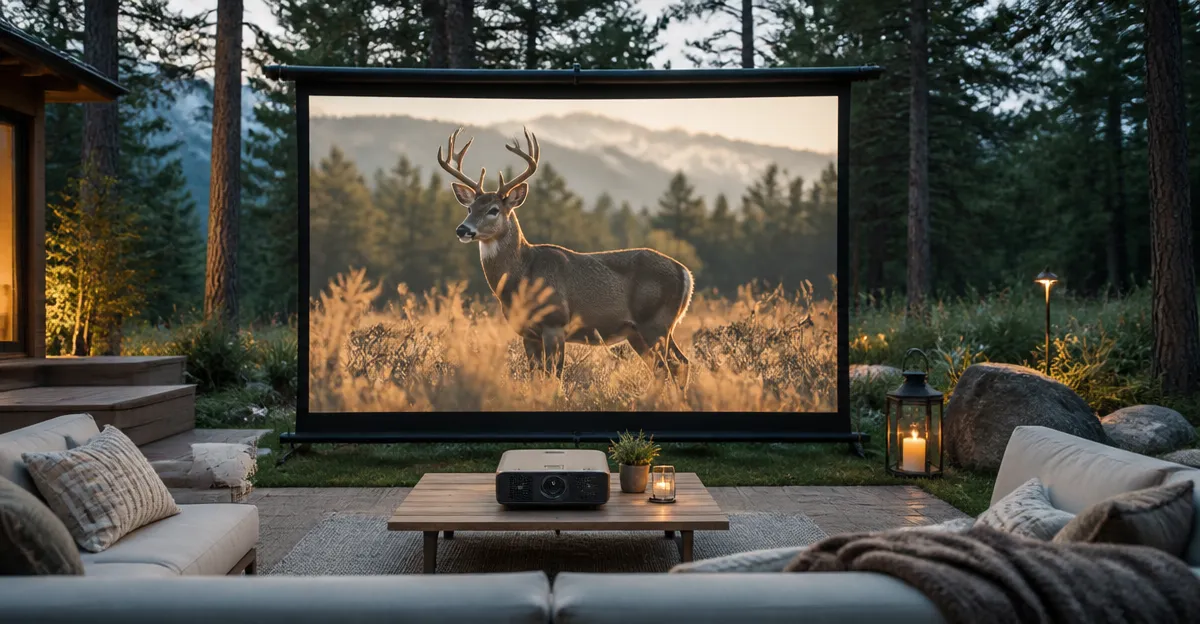
Wildlife‑Friendly Projector Screen Setups: Guide to Eco‑Safe Outdoor Movie Nights
Introduction
Outdoor movie nights can bring families and communities together while respecting the surrounding habitat. This guide explains how to select and install projector screens that minimise disturbance to wildlife and reduce environmental impact. Readers will learn about screen materials, power solutions, site selection, and maintenance practices that protect local ecosystems. The article also recommends three Amazon products that align with eco‑friendly principles.
Background and Context
Projector screens are traditionally designed for indoor theatres, yet many enthusiasts wish to enjoy cinema under the stars. When a screen is placed in a natural setting, light spill, noise, and waste can affect nocturnal animals, birds, and insects. Understanding the concepts of gain, reflectivity, and power consumption helps to choose a screen that provides clear images without excessive brightness. In addition, portable and reusable equipment reduces the need for permanent structures that could alter the landscape.
Choosing Eco‑Safe Screen Materials
The most important factor is the screen surface. A material with a moderate gain (around 1.0 to 1.5) reflects enough light for a sharp picture while avoiding glare that can disorient wildlife. The PARIS RHÔNE 80 uses a professional‑grade PVC composition with a 1.5 gain, providing a bright yet balanced image. Its multi‑layered construction is designed to be wrinkle‑free, which reduces the need for frequent adjustments that could generate noise.
For larger gatherings, a motorised tension screen offers a flat surface that maintains optical consistency across the entire image. The Elite Screens CineTension 120 features a CineWhite 1.1 gain fabric that is suitable for 4K and 8K projection, delivering vivid colours without excessive brightness. Its tab‑tension system ensures uniform flatness, which eliminates the need for additional clamps that could damage vegetation.
When portability is paramount, a lightweight screen with a foldable frame can be stored in a compact bag. The STWUI 120 Portable employs a washable milk‑silk material that resists creasing and can be cleaned with mild soap, reducing the environmental load of chemical cleaners. The screen’s 160° viewing angle allows viewers to sit at a distance that limits the intensity of the projected light.
Power and Mobility Considerations
Electric power sources should be chosen with care to avoid noise pollution and emissions. Solar‑powered battery packs or quiet inverter generators are preferable to gasoline‑driven units. The Elite Screens CineTension 120 includes infrared and radio‑frequency remote controls, allowing the motor to be triggered from a distance without the need for noisy cables. Its built‑in selectable channels reduce the risk of interference with wildlife tracking equipment.
For screens that do not require motorisation, a manual tripod provides a stable platform without electrical components. The PARIS RHÔNE 80 comes with an adjustable X‑shaped aluminum tripod and ground nails that can be anchored gently into soil, minimising disturbance to plant roots. The tripod height can be set between 59 and 80.3 inches, enabling the screen to be positioned above low‑lying vegetation.
The STWUI 120 Portable screen is supported by an all‑iron bracket that can be assembled in three minutes without tools. Its chassis includes pre‑drilled holes for fluorescent floor nails, allowing the screen to be secured on a variety of surfaces while keeping the footprint small. This design reduces the need for heavy‑duty stakes that could damage the ground.
Site Selection and Setup Strategies
Select a clearing that is naturally shielded from wind and has minimal tree cover to avoid stray light reaching the canopy. Position the screen so that the projector is located up‑hill from the viewing area; this arrangement reduces light spill onto the ground and limits glare for nocturnal insects. Use natural barriers such as low shrubs to absorb excess sound from speakers.
When setting up, lay down a reusable ground cloth made from recycled polyester to protect the soil. This barrier prevents the tripod or screen base from compressing delicate moss or fungal networks. After the event, fold the cloth and store it for future use, thereby reducing waste.
Consider the timing of the movie night. Beginning the screening after the peak activity of local wildlife—typically one hour after sunset—helps to minimise disruption. Announce the schedule to neighbours so that they can plan any necessary wildlife‑friendly actions, such as turning off outdoor lighting.
Comparison and Selection Guide
The following table summarises the three featured screens, highlighting the attributes most relevant to eco‑safe outdoor use.
| Feature | Elite Screens CineTension 120 | PARIS RHÔNE 80 | STWUI 120 Portable |
|---|---|---|---|
| Screen Size | 120 inches (16:9) | 80 inches (16:9) | 120 inches (16:9) |
| Gain | 1.1 (CineWhite) | 1.5 (PVC) | Not specified (milk‑silk) |
| Material | CineWhite, black‑backed | Multi‑layer PVC | Washable milk‑silk |
| Motorisation | Electric motor with IR/RF remote | Manual tripod | Manual all‑iron bracket |
| Portability | Requires motor box, moderate weight | Foldable tripod, includes carry bag | Comes with storage bag, lightweight chassis |
| Price (USD) | 2,381.05 | 80.98 | 59.99 |
| Rating | 4.6/5 (3 reviews) | 4.6/5 (349 reviews) | 4.4/5 (1,183 reviews) |
| Warranty | 2‑Year/3‑Year ENR‑G | Lifetime after‑sales service | 24‑hour professional support |
For large‑scale community events where image quality and durability are paramount, the Elite Screens CineTension 120 is the most suitable choice despite its higher cost. For modest backyard gatherings that prioritise portability and affordability, the PARIS RHÔNE 80 offers excellent gain and a sturdy tripod. For camping trips or temporary setups where weight is a concern, the STWUI 120 Portable provides a balance of size and ease of transport.
Best Practices and Tips
- Use LED projectors with adjustable brightness levels to keep light output as low as possible while maintaining image clarity.
- Employ biodegradable cleaning solutions when maintaining screen surfaces; avoid harsh chemicals that could leach into the soil.
- Secure all cables with cable sleeves made from recycled materials to prevent tripping hazards for wildlife.
- Schedule a post‑event site inspection to ensure no litter, nails, or equipment remain in the natural area.
- Consider planting native grasses around the viewing zone to absorb sound and provide habitat for small insects.
Frequently Asked Questions
- Will the screen brightness affect nocturnal animals? A screen with moderate gain and a projector set to a lower lumen level reduces stray light, thereby minimising impact on nocturnal species.
- Can I use a solar battery pack with the motorised screen? Yes, the Elite Screens CineTension 120 can be powered by a 12‑volt solar battery, provided the battery capacity matches the motor’s power requirements.
- How do I protect the ground from tripod stakes? Place a reusable ground cloth beneath the tripod and use the supplied ground nails gently, avoiding deep penetration into the soil.
- Is the PVC material of the PARIS RHÔNE 80 recyclable? The screen’s PVC can be recycled at facilities that accept polymer films; check local recycling guidelines before disposal.
- What maintenance is required for the milk‑silk material? Wipe the surface with a damp cloth and mild soap after each use; allow it to air dry completely before folding.
- Can I use these screens in rain? None of the featured screens are fully waterproof; it is advisable to wait for dry conditions or use a weather‑proof canopy.
- Do the screens emit any electromagnetic interference? The Elite Screens CineTension 120 includes selectable RF channels that reduce the likelihood of interference with wildlife tracking equipment.
Conclusion
Creating wildlife‑friendly outdoor movie nights requires thoughtful selection of screen materials, power solutions, and site management practices. By choosing screens that balance brightness, durability, and portability, organisers can provide memorable entertainment while preserving the natural environment. The three recommended products each address a specific need, from premium motorised setups to ultra‑portable options. Implementing the best‑practice tips ensures that the enjoyment of cinema under the stars does not come at the expense of local ecosystems.
Products Featured in This Guide
Elite Screens CineTension 120
Price: $2,381.05 | Rating: 4.6/5 (3 reviews)
Featured for its high‑quality CineWhite 1.1 gain fabric, motorised tab‑tension system, and professional warranties that support long‑term eco‑safe installations.
PARIS RHÔNE 80
Price: $80.98 | Rating: 4.6/5 (349 reviews)
Featured for its 1.5 gain PVC material, adjustable X‑shaped tripod, and portable design that suit small‑scale, low‑impact outdoor screenings.
STWUI 120 Portable
Price: $59.99 | Rating: 4.4/5 (1,183 reviews)
Featured for its lightweight, washable milk‑silk screen, quick three‑minute assembly, and sturdy all‑iron chassis that support mobile, low‑impact setups.