Introduction
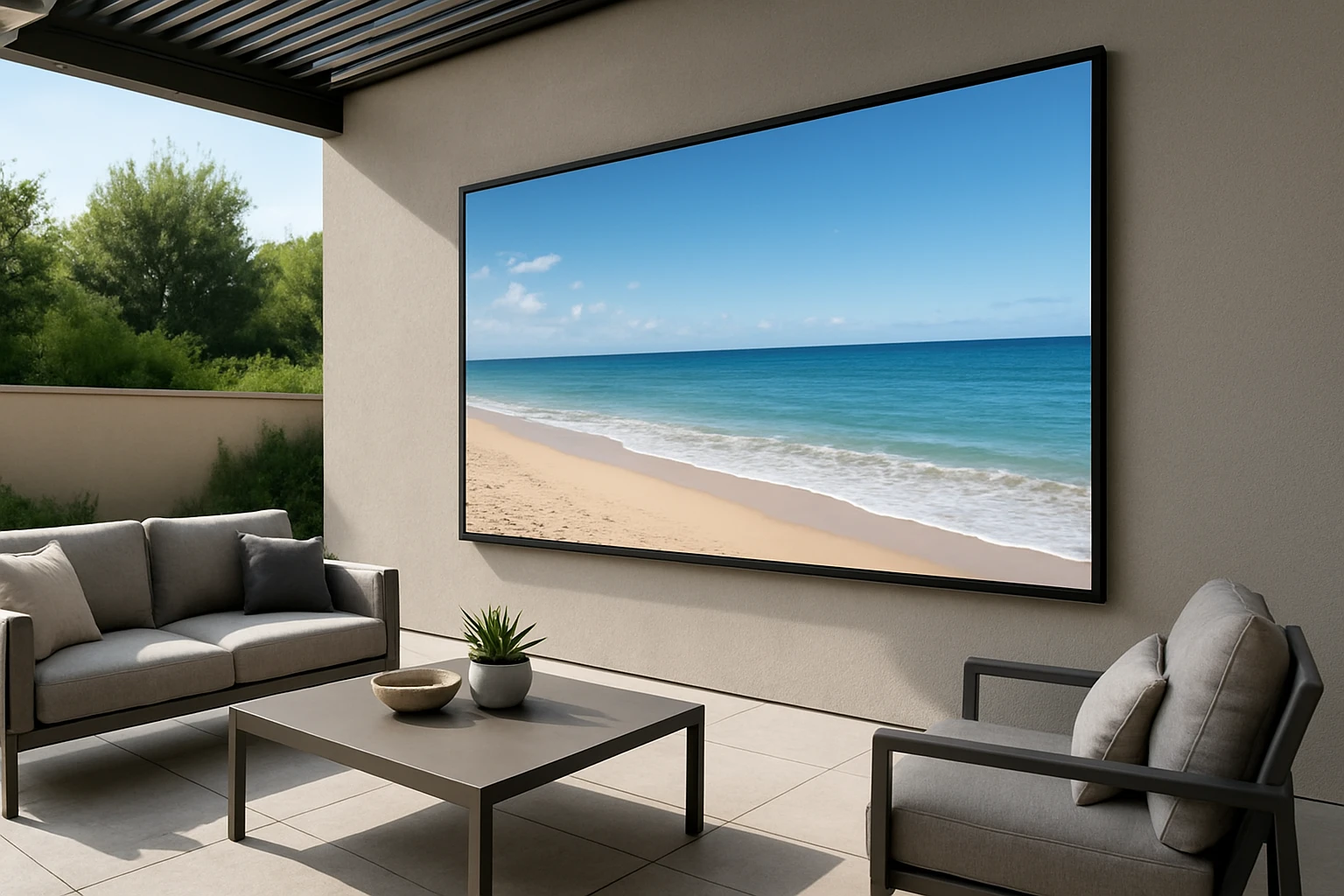
This guide provides a comprehensive overview of ambient light rejecting (ALR) screens for patios and backyard projectors. Readers will learn how ALR technology works, what factors influence screen performance, and how to select the optimal screen for a specific outdoor environment. The article also highlights four highly rated Amazon products that exemplify the concepts discussed. By the end of the guide, one will be equipped to make an informed purchase decision and enjoy cinema‑quality viewing under the open sky.
Background and Context
Traditional projector screens rely on darkness to achieve contrast, which limits their usefulness in daytime or partially illuminated spaces. Ambient light rejecting screens incorporate a special optical coating that reflects projected light while absorbing or dispersing surrounding illumination. This technology enables a brighter, more vivid image even when the sun or streetlights are present.
ALR screens are available in a range of sizes, aspect ratios, and mounting options. The most common aspect ratio for home entertainment is 16:9, which matches the output of most modern projectors. However, some outdoor venues benefit from a 4:3 or ultra‑wide format to accommodate specific content.
When evaluating an ALR screen, it is essential to consider the projector’s brightness, measured in ANSI lumens, the typical ambient light level, and the physical constraints of the installation site. A screen that is too small will waste the projector’s capabilities, while an oversized screen may suffer from reduced contrast if the projector cannot deliver sufficient lumens.
Understanding ALR Technology
The core principle of ALR screens is a micro‑prismatic surface that directs the projector’s light back toward the viewer while scattering ambient light away from the viewing cone. This effect is similar to the way a retro‑reflective road sign appears bright from a driver’s perspective but remains dim when viewed from other angles.
Key performance metrics include gain, viewing angle, and rejection ratio. Gain describes how much brighter the screen appears compared to a standard white board; a gain of 1.0 is neutral, while values above 1.0 indicate amplification. Viewing angle indicates the horizontal range over which the image remains uniform; most outdoor ALR screens offer 160° or greater. Rejection ratio quantifies how effectively the screen blocks ambient light; higher ratios produce deeper blacks in bright environments.
Manufacturers achieve these characteristics through layered coatings, specialized fabrics, and precise tensioning systems. The result is a screen that can deliver a crisp image in daylight, making it ideal for backyard movie nights, sports viewing, and outdoor presentations.
Types of ALR Screens for Outdoor Use
- Fixed‑Frame ALR Screens – Rigid frames that provide a perfectly flat surface; best for permanent installations where stability is paramount.
- Portable Frame‑less Screens – Lightweight fabrics that roll onto a tube; ideal for users who need to transport the screen between locations.
- Hybrid Screens with Stand – Combine a collapsible frame with a carry bag; offer a balance between stability and portability.
Each type presents trade‑offs in terms of setup time, durability, and cost. Fixed‑frame models generally deliver the highest image uniformity, whereas portable options excel in flexibility and storage convenience.
Choosing the Right Screen Size
Screen size should be matched to the throw distance of the projector and the intended viewing distance. A common rule of thumb is that the optimal viewing distance is approximately 1.5 to 2.5 times the screen width. For a typical backyard where viewers sit 12 to 20 feet away, a 100‑inch to 150‑inch diagonal screen provides an immersive experience without overwhelming the space.
When space is limited, an 80‑inch screen can still deliver a cinematic feel if the projector is positioned closer to the audience. Conversely, large gatherings may benefit from a 150‑inch screen, provided the projector can supply at least 2,500 ANSI lumens to maintain brightness.
It is also advisable to verify that the chosen screen fits through the intended transport vehicle. Many portable screens are designed to fit in a standard car trunk, which simplifies weekend outings.
Material Considerations
ALR screens are constructed from polyester, vinyl, or specialized glass‑fiber fabrics. Polyester offers a good balance of durability and weight, while glass‑fiber provides higher gain and smoother surface tension. The coating determines the screen’s ability to reject ambient light; a high‑quality micro‑prismatic coating can achieve rejection ratios of 0.8 or higher.
Water resistance and washability are important for outdoor use. Screens that can be cleaned with a mild detergent and dried quickly will retain their optical performance over many seasons. Some models, such as the AAJK 150 Inch Foldable Projector Screen, feature washable fabrics that can be laundered without damage.
Finally, consider whether the screen is double‑sided. Double‑sided screens allow front and rear projection, which can be useful for presentations that require a hidden projector.
Installation Considerations
Outdoor installations must address wind, uneven ground, and variable lighting conditions. A sturdy stand with weighted bases or ground stakes helps to prevent the screen from bowing or billowing. Some screens, like the SKERELL 100 Inch Projector Screen, include ropes, nails, and water bags for added stability in breezy conditions.
When mounting a screen on a wall or fence, ensure that the mounting hardware can support the screen’s weight and that the surface is level. Many ALR screens come with grommets or brackets that simplify wall attachment.
For temporary setups, a quick‑release tripod stand can be assembled in under two minutes, as demonstrated by the Excelimage 80 Inch Portable Projector Screen. This feature is especially valuable for users who need to set up and dismantle the screen frequently.
Product Recommendations
SKERELL 100 Inch Projector Screen with Stand
The SKERELL screen offers a 100‑inch diagonal surface with a 16:9 aspect ratio and a polyester fabric that provides sharp, high‑resolution images. It includes a portable stand, a carrying bag, and accessories such as ropes and water bags for wind resistance. With a price of $47.49, a rating of 4.4 out of 5 stars from 5,556 reviews, and a lightweight design that fits in most car trunks, it is an excellent choice for families seeking a budget‑friendly yet durable outdoor solution.
Excelimage 80 Inch Portable Projector Screen
This 80‑inch screen features a 1.2 gain glass‑fiber surface that delivers vibrant colors and a flat image thanks to four tensioned tubes. The tripod stand is adjustable, and the entire package weighs only 8.5 pounds, making it highly portable. Priced at $79.79 with a 4.5‑star rating from 1,342 reviews, it is well suited for users who travel frequently or need a screen that can be set up by a single person.
TOWOND 150 Inch Projector Screen with Stand
The TOWOND model provides a massive 150‑inch diagonal view, a 160° viewing angle, and a natural polyester fiber construction that resists creasing. The foldable stand can be assembled without tools in approximately two minutes, and the screen includes a carry bag for easy transport. At $99.98 and a 4.3‑star rating from 2,161 reviews, it delivers exceptional value for large‑group outdoor cinema experiences.
AAJK 150 Inch Foldable Projector Screen
The AAJK screen stands out for its washable, soft‑touch polyester fabric that remains non‑transparent and bright even after repeated cleaning. It is lightweight, folds flat for storage, and can be mounted using hooks, brackets, or double‑sided tape. With a price of $29.99, a rating of 4.4 out of 5 stars from 5,331 reviews, and a focus on portability, it is the most economical option for users who prioritize ease of transport.
Comparison and Selection Guide
| Feature | SKERELL 100" | Excelimage 80" | TOWOND 150" | AAJK 150" |
|---|---|---|---|---|
| Screen Size (Diagonal) | 100 in | 80 in | 150 in | 150 in |
| Material | Polyester | Glass‑Fiber (1.2 gain) | Polyester Fiber | Soft‑Touch Polyester (washable) |
| Gain | Not specified | 1.2 | Not specified | Not specified |
| Viewing Angle | 16:9 ratio | 160° | 160° | 160° |
| Portability | Carry bag, fits car trunk | 8.5 lb, carry bag | 11.5 lb, carry bag | Lightweight, foldable |
| Setup Time | ~5 minutes | ~2 minutes | ~2 minutes | Quick mount |
| Price (USD) | $47.49 | $79.79 | $99.98 | $29.99 |
| Average Rating | 4.4/5 (5,556 reviews) | 4.5/5 (1,342 reviews) | 4.3/5 (2,161 reviews) | 4.4/5 (5,331 reviews) |
When choosing a screen, match the size to the viewing distance, consider the weight if frequent transport is required, and evaluate the gain relative to the projector’s brightness. For most backyard setups with moderate ambient light, a gain of 1.0 to 1.2 combined with a 160° viewing angle provides the best balance of brightness and uniformity.
Best Practices & Tips for Outdoor ALR Screens
- Position the screen so that the sun is behind the audience; this maximizes the screen’s ambient‑light‑rejecting capability.
- Use a projector with at least 2,500 ANSI lumens for screens larger than 100 inches to maintain adequate brightness.
- Secure the stand with sandbags, water weights, or ground stakes, especially on windy evenings.
- Keep the screen surface clean; dust and debris can reduce contrast and cause hotspotting.
- If possible, employ a blackout curtain or canopy to further reduce ambient light during daytime viewing.
Frequently Asked Questions
1. Do I need an ALR screen if I only watch movies at night?
While a standard white screen can perform adequately in darkness, an ALR screen still offers superior contrast and color saturation, especially when using a projector with lower lumen output.
2. Can I use an ALR screen for rear projection?
Some ALR screens, such as the TOWOND model, are designed to support both front and rear projection. Verify that the product description explicitly mentions rear‑projection compatibility before purchasing.
3. How does screen gain affect image quality?
Higher gain makes the image appear brighter but narrows the optimal viewing angle. For wide‑angle outdoor viewing, a gain between 1.0 and 1.2 is recommended.
4. Will rain damage an outdoor ALR screen?
Most polyester‑based ALR screens are water‑resistant but not waterproof. It is advisable to store the screen in its carry bag when precipitation is expected.
5. Is it necessary to level the ground before setting up a stand?
Yes, a level surface prevents the frame from tilting, which can cause image distortion. Use a small level or a smartphone app to verify evenness.
6. Can I mount an ALR screen on a wall instead of using a stand?
Many ALR screens include grommets or brackets that allow wall mounting. This method eliminates the need for a stand and improves stability in windy conditions.
7. How often should I clean the screen?
Cleaning should be performed when visible dust or fingerprints appear. Use a soft, lint‑free cloth and a mild detergent solution if the screen is washable, as with the AAJK model.
Conclusion
Ambient light rejecting screens have transformed outdoor home entertainment by delivering cinema‑quality images in bright environments. Understanding the interplay between screen material, gain, size, and mounting options enables consumers to select a product that aligns with their budget and usage patterns. The four featured screens illustrate the range of solutions available, from ultra‑portable 80‑inch models to expansive 150‑inch setups suitable for large gatherings. By following the best‑practice guidelines and considering the comparison chart, readers can confidently create a backyard viewing experience that rivals a commercial theater.
Products Featured in This Guide
SKERELL 100 Inch Projector Screen
Price: $47.49 | Rating: 4.4/5 (5,556 reviews)
Featured for its affordable price, portable stand, and inclusion of wind‑stabilizing accessories, making it ideal for family backyard movie nights.
Excelimage 80 Inch Portable Projector Screen
Price: $79.79 | Rating: 4.5/5 (1,342 reviews)
Featured for its high‑gain glass‑fiber surface, ultra‑quick setup, and lightweight design, suitable for travelers and single‑person installations.
TOWOND 150 Inch Projector Screen
Price: $99.98 | Rating: 4.3/5 (2,161 reviews)
Featured for its large 150‑inch format, quick‑assembly stand, and robust polyester construction, providing excellent value for large‑group outdoor cinema.
AAJK 150 Inch Foldable Projector Screen
Price: $29.99 | Rating: 4.4/5 (5,331 reviews)
Featured for its ultra‑economical price, washable soft‑touch fabric, and easy‑fold design, making it perfect for users who prioritize portability and budget.